If you spend most of the winter flipping between the ACC, Big Ten and Big 12, it’s easy to forget there’s an entire ecosystem of hoops being played just off the main TV channels. The Mid-American Conference lives in that space — not quite on the marquee, but very much on the main stage come March. This year, the MAC has something even the blue bloods don’t: the last undefeated men’s team in Division I, Miami (OH), sitting at 26-0 and trying to land the plane without a scratch. At the same time, the women’s side features a Ball State group tough enough to be on the NCAA Tournament bubble, but still living with the reality every mid-major feels: the safest path is to cut the nets down in Cleveland and take the debate out of the committee’s hands. From a distance, that’s a fun standings graphic; up close, it’s pressure, locker-room conversations, and coaches trying to keep young players’ heads clear while the stakes quietly climb every night.
To understand why this year’s MAC race feels so tight, you have to understand the tournament itself. The league has tinkered with its format over the years, moving from a small seven-team bracket with byes to a more democratic setup where, for a long stretch, every team got a shot. Since 2020, it’s been trimmed back to the top eight on both the men’s and women’s sides, which sounds minor until you’re in a locker room doing the math on remaining games and realizing four teams will be home watching. There are no more safety nets for the top seeds — no double byes, no long layoff to heal up — just a quarterfinal tip and the knowledge that every team still standing believes it has three good days in it. In a one-bid world, that changes how you practice, how you manage minutes, even how honest you are with players about what this stretch run really means for their careers and their futures.
On the men’s side, Miami (OH) has been the headline, and 26-0 is no accident. The RedHawks don’t lean on a single future lottery pick to bail them out; they win with balance and buy-in, which, from a player’s perspective, is both empowering and exhausting. Six players average double figures, a seventh checks in at 9.9 points per game, and the rebounding load is similarly spread across six different guys grabbing at least 3.2 boards a night. They’re first in the MAC in field goal percentage at 51.8%, first in scoring at 89.3 points per game with an 11.4-point margin of victory, and second in made threes at 9.8 per game, which means their offense travels even when the legs get a little heavy. When you see that kind of statistical democracy, you’re usually looking at a locker room where roles are clear, egos are mostly in check, and the coaching staff has convinced everyone that sharing the ball is their best NIL pitch and their best ticket to March.
Still, the MAC standings board tells a more uncomfortable story than the record might suggest. Miami (OH) is 13-0 in league play, but Akron is right behind at 12-1 and Kent State at 11-3, with Bowling Green also lurking in the top 150 of the NET rankings. The twist is that Akron and Kent State have already taken their swings at the RedHawks this season — a three-point loss for the Zips and an overtime defeat for Kent State — and won’t see them again until Cleveland. That’s the kind of thing coaches use in film sessions: "We’re right there, fellas; clean up three possessions and we’re the ones everyone’s talking about." Toledo, Ohio, UMass and Buffalo have all pushed Miami (OH) to varying degrees, too, proof that an undefeated regular season is less a smooth flight and more like landing a plane in crosswinds every single night.
In a power conference, Miami (OH) would probably be treated as a great story slotted safely into the bracket weeks in advance. In the MAC, there’s still that quiet anxiety that one off night in the conference tournament could turn 26-0 into a cautionary tale the Selection Committee shrugs at. Ranked No. 22 in the country but only 49th in the NCAA Evaluation Tool, the RedHawks look, on paper, like a tournament-caliber group that might not have as much margin for error as the ranking suggests. Akron, sitting 60th in the NET, has a profile that screams "dangerous if they get in" but doesn’t scream "lock" in any selection room I’ve ever heard about. That’s the mid-major tax: you can build the right way, you can empower players, you can win every close game, and you still might be staring at a scenario where the difference between history and heartbreak is 40 minutes on a neutral floor.
Flip over to the women’s side, and the stress tests look familiar, just with different jersey colors. Ball State sits on top of the MAC at 12-1, with Miami (OH) right behind at 11-1, followed closely by UMass at 10-2 and Central Michigan at 10-3. Ohio and Toledo are in the mix as well, while Bowling Green currently holds down the eighth and final tournament-eligible spot. From a mental standpoint, that eighth-place line might matter even more than the top of the table, because players in that range are playing to keep their season — and in some seniors’ cases, their careers — alive. You can talk about "one game at a time" all you want, but everybody in that room can read a standings page, and they all know who’s one bad week from cleaning out a locker.
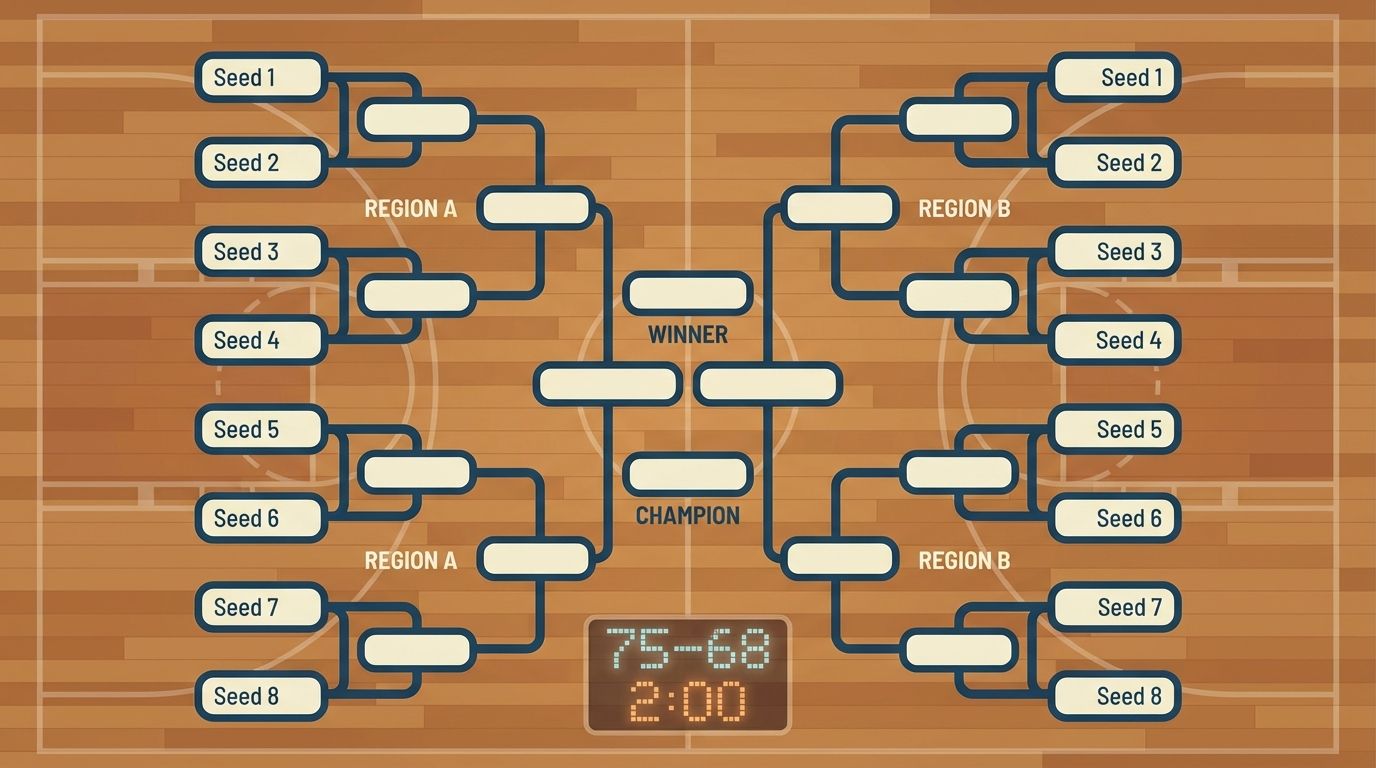
Ball State’s women have done enough to stand on the NCAA Tournament bubble at 67th in NET, but like most mid-majors, they don’t have the luxury of assuming an at-large will be there if the confetti never falls on them. Offensively, they’re efficient, putting up just under 102 points per 100 possessions, good for 70th in Division I, but the defense gives up about 90 per 100, which is the kind of number that keeps a coaching staff up at night when imagining high-octane March matchups. What they do have is high-level individual talent, led by junior center Tessa Towers and fifth-year guard Bree Salenbien, the top two players in the MAC by Player Efficiency Rating, with sophomore guard Grace Kingery sitting 15th. That trio gives Ball State different ways to beat you — inside-out, pick-and-pop, mismatch hunting — and in tournament play, having multiple options when the first and second actions get blown up is usually the difference between a deep run and a long, quiet bus ride home. The flip side is that when you lean that hard on a small core, the physical and mental load on those players in late February and early March is enormous, and you hope the support system around them is as solid as their box scores.
Miami (OH)’s women’s team has chosen a slightly different path to contender status, built around defense and depth rather than leaning on one or two stars to carry the box score every night. Sitting 80th in NET with the 73rd-ranked defensive rating at 86.24 points allowed per 100 possessions, the RedHawks lead the MAC in blocks, rank second in forced turnovers, third in steals, and give up just 56.3 points per game. They also spread the individual shine, with four players — Amber Tretter, Ilse de Vries, Tamar Singer and Amber Scalia — all in the conference’s top 20 in PER. That kind of profile usually points to intense practices, a lot of shell drill, and a defensive standard where film doesn’t lie and nobody is above being called out for a blown rotation. They’ve already handed Ball State its only conference loss, a 72-52 win that will live on every scouting report and video session if those two see each other again with a trophy on the table.
Pulling back, what makes this MAC season so compelling isn’t just the records or the NET rankings; it’s the human side of playing in a league where the room for error is paper-thin. In the so-called Power 6, you can have a rough week, regroup, and still talk yourself into an at-large bid based on "body of work." In the MAC, "body of work" often boils down to three days in March and a selection room that might not have watched your Tuesday night road win at Buffalo as closely as you did. For players, that reality can either crush you or focus you, and for coaches, it’s a constant balance between demanding excellence and protecting mental health in a system that doesn’t always feel fair. If there’s a throughline this year, it’s that both Miami (OH) programs and Ball State’s women have built cultures that ask a lot of their players, but also give them the ball, the responsibility, and the chance to write their own ending — and in a one-bid world, that might be the most empowering thing of all.