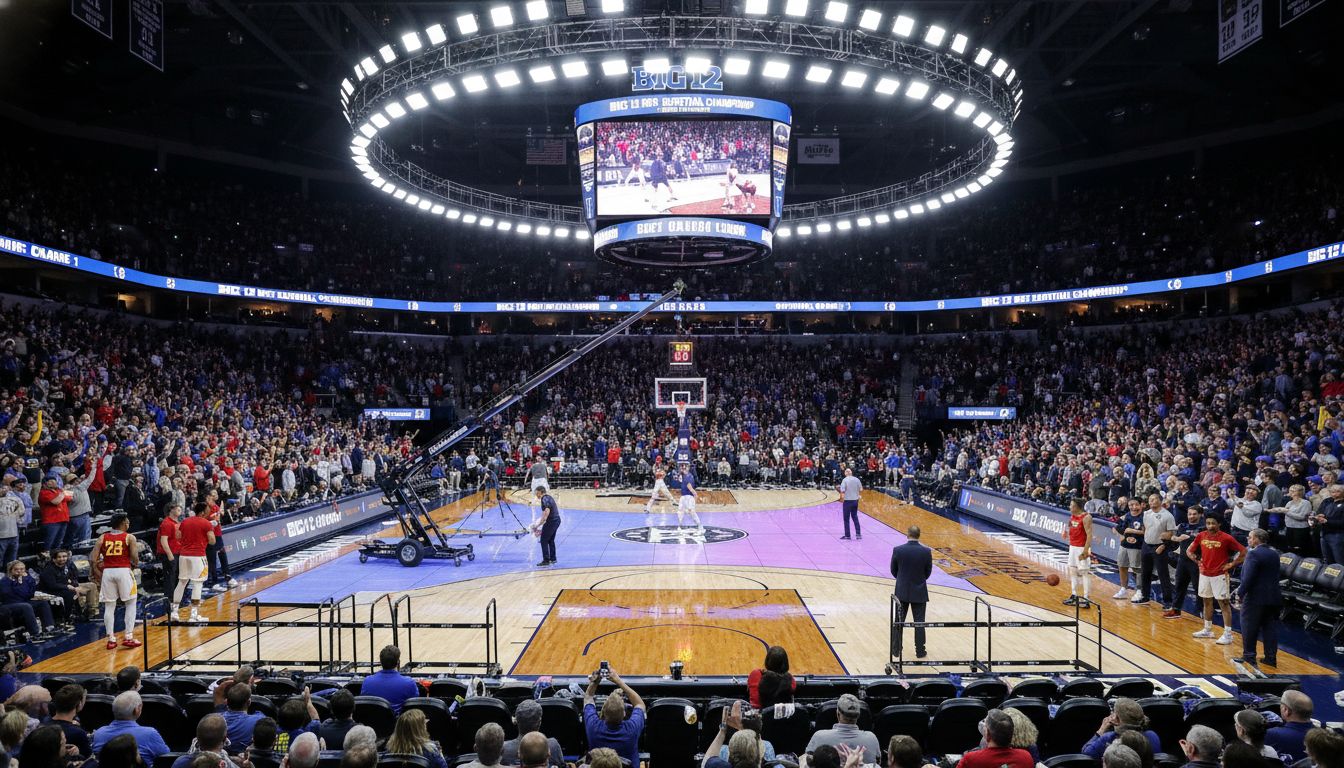
When you’ve been around the game long enough, you learn there are two kinds of ideas: the ones that look great in a pitch deck and the ones that actually work when ten guys are flying up and down the floor. The Big 12’s LED glass court landed squarely in that first category this week – flashy, buzzy, and ultimately, not ready for game speed. After players slipped multiple times and Texas Tech’s Christian Anderson went down with an injury during Thursday’s loss to Iowa State, commissioner Brett Yormark shut the whole thing down before the semifinals. By Friday, the league was back on traditional hardwood, and honestly, that’s a win for common sense and for the people who actually have to play on the thing. There’s a lesson here about what happens when innovation meets player welfare, and this time, the players finally didn’t finish last in the priority line.
Yormark has a reputation as a big-thinker, and in fairness, the glass court did what it was supposed to do on the marketing side. It looked slick on TV, generated social media attention, and signaled that the Big 12 wants to be seen as the forward-thinking league in college hoops. But once it became clear that the surface wasn’t consistently safe – with some players comfortable and others clearly not – the equation changed. You can debate aesthetics, but you can’t debate traction when a guard tries to plant and rise into a jumper, or when a big man is sliding over to take a charge. In that split second, it doesn’t matter how futuristic the floor looks; what matters is whether a kid’s knee survives the landing.
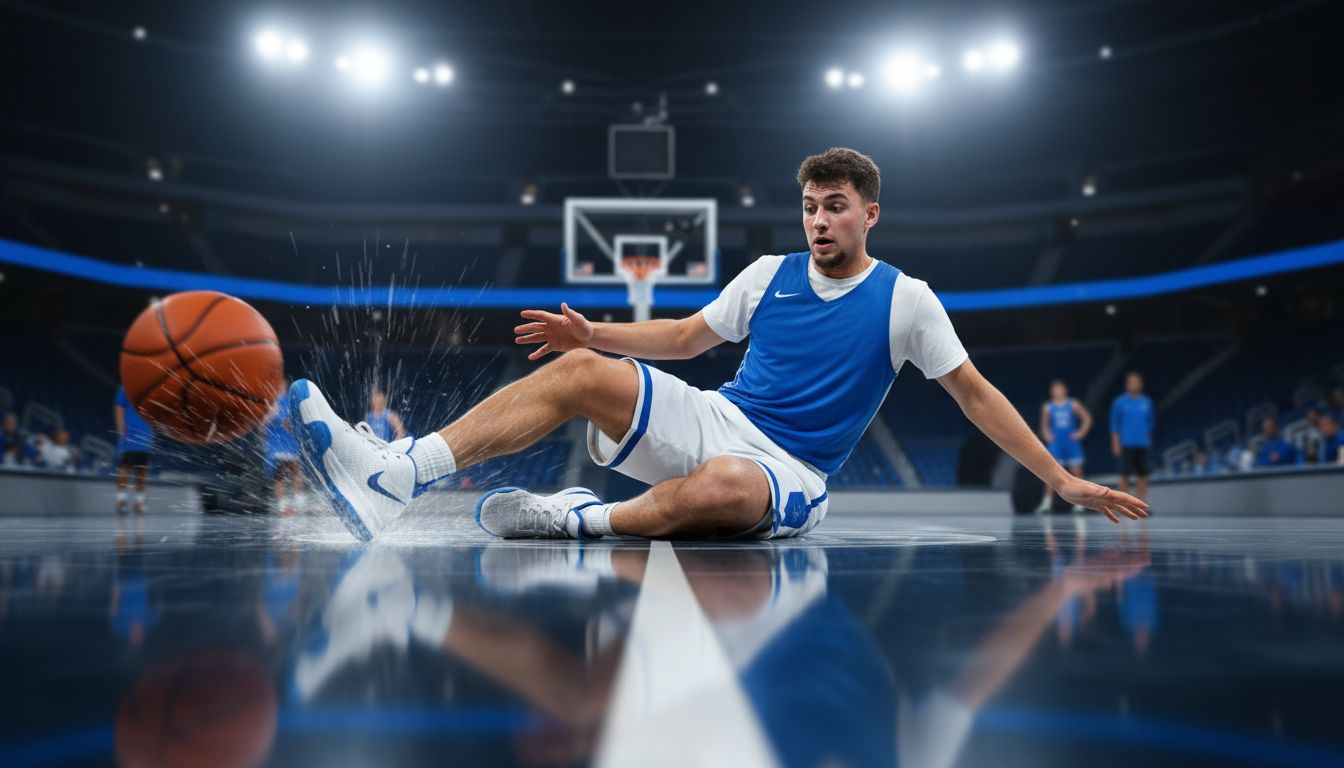
The turning point was Anderson’s injury against Iowa State, which put a real human face on what had been, up to that point, mostly an online talking point. You never want the moment of clarity to arrive with someone on the floor grabbing a leg or an ankle, but that’s often how change actually happens in sports. To Yormark’s credit, he didn’t double down on the experiment out of pride or optics. After consulting with the coaches of the four semifinal teams, he made the call to pull the plug on the glass and roll in the wood. That might sound like a small, obvious move, but in an era when TV presentation and sponsorship activations often outrun player comfort, it’s not something we should take for granted.
From a player’s perspective, the court is your office, your stage, and sometimes your battlefield all in one. You spend countless hours getting your body right – lifting, stretching, managing nagging pain – and all of that effort can be compromised if the surface underneath you isn’t reliable. Slipping once shakes your confidence; slipping twice changes the way you cut, how hard you drive, and how willing you are to chase a loose ball into traffic. That’s the stuff you don’t see on the broadcast but you feel in the huddle, in the locker room, and sometimes in the training room later that night. So when players see a league actually listen and pivot in real time, that buys a level of trust you can’t manufacture with a hype video.
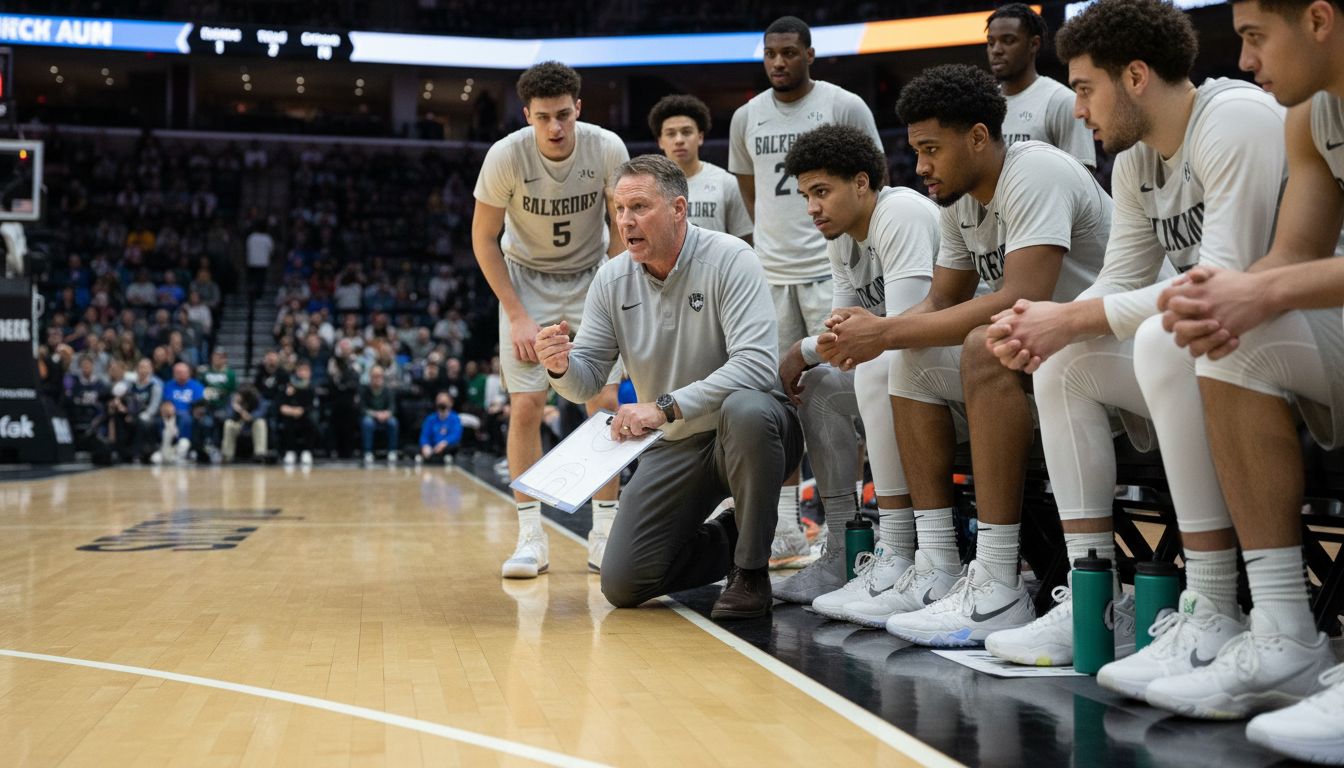
None of this means innovation should stop. College basketball absolutely needs fresh thinking, especially as it competes with the NBA, international leagues, and a generation of fans raised on highlight clips and video-game visuals. Alternate courts, creative lighting, better camera angles – all of that is fair game as long as it doesn’t compromise the integrity of the playing experience. The key is building real player feedback into the process early, not as a last-second consultation when something goes wrong on live TV. If you want to brand yourself as a progressive league, the most convincing way to do it is by showing that you’ll pull the plug on your own idea when players tell you it’s not right.
Meanwhile, the basketball itself in Kansas City is worthy of all this attention, with four heavyweights lined up for Friday’s semifinals. Arizona, Houston, Iowa State, and Kansas check in at No. 3, No. 5, No. 9, and No. 15 in the latest rankings – that’s a Final Four-caliber cluster in one building. Houston has been the most consistently rugged team in the country, Iowa State defends like it’s personal, Arizona can run you out of the gym when they’re clicking, and Kansas still has that "don’t ever count us out" DNA. You don’t need a glass court to sell those matchups; the rosters, the coaching, and the stakes do that on their own. Sometimes the best marketing strategy is to get out of the way and let the basketball breathe.
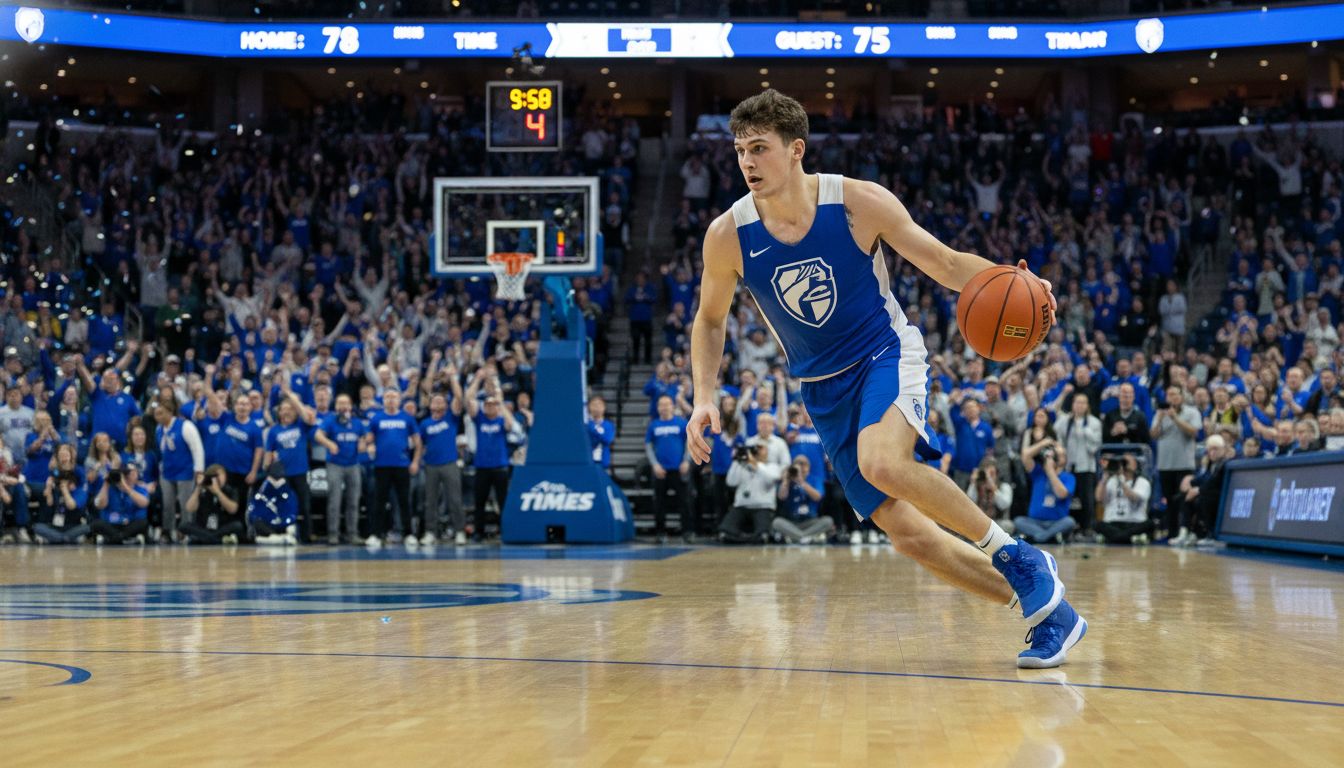
Back on the East Coast, Duke sits at No. 1 for the 20th straight day and heads into an ACC semifinal against Clemson. If the Blue Devils get through that, they’ll see either Virginia or Miami in the title game, which is about as on-brand an ACC weekend as you’re going to get. For anybody wondering, no, you don’t need my Duke degree to tell you that player safety would be a non-starter if somebody floated a glass court in Greensboro or Charlotte. Coaches might disagree on ball-screen coverage terminology, but they’re remarkably unified when it comes to not risking ankles for aesthetics. In every film room I’ve ever sat in, the message has been simple: control what you can control, and that starts with the basics – including the floor beneath your feet.
So credit to the Big 12 for trying something bold and even more credit for knowing when to tap out. The glass court will probably be back someday in a safer, more refined version, and if it passes the player sniff test, I’m all for it. But this week was a reminder that no matter how advanced the technology gets, the game still comes down to human bodies doing violent, precise things in tight spaces. Those bodies belong to 18-to-22-year-olds with dreams, families, and futures that extend way beyond a conference tournament highlight reel. If their comfort becomes the starting point for every new idea – not an afterthought – then college basketball will be just fine, whether the court is glowing or good old-fashioned maple.