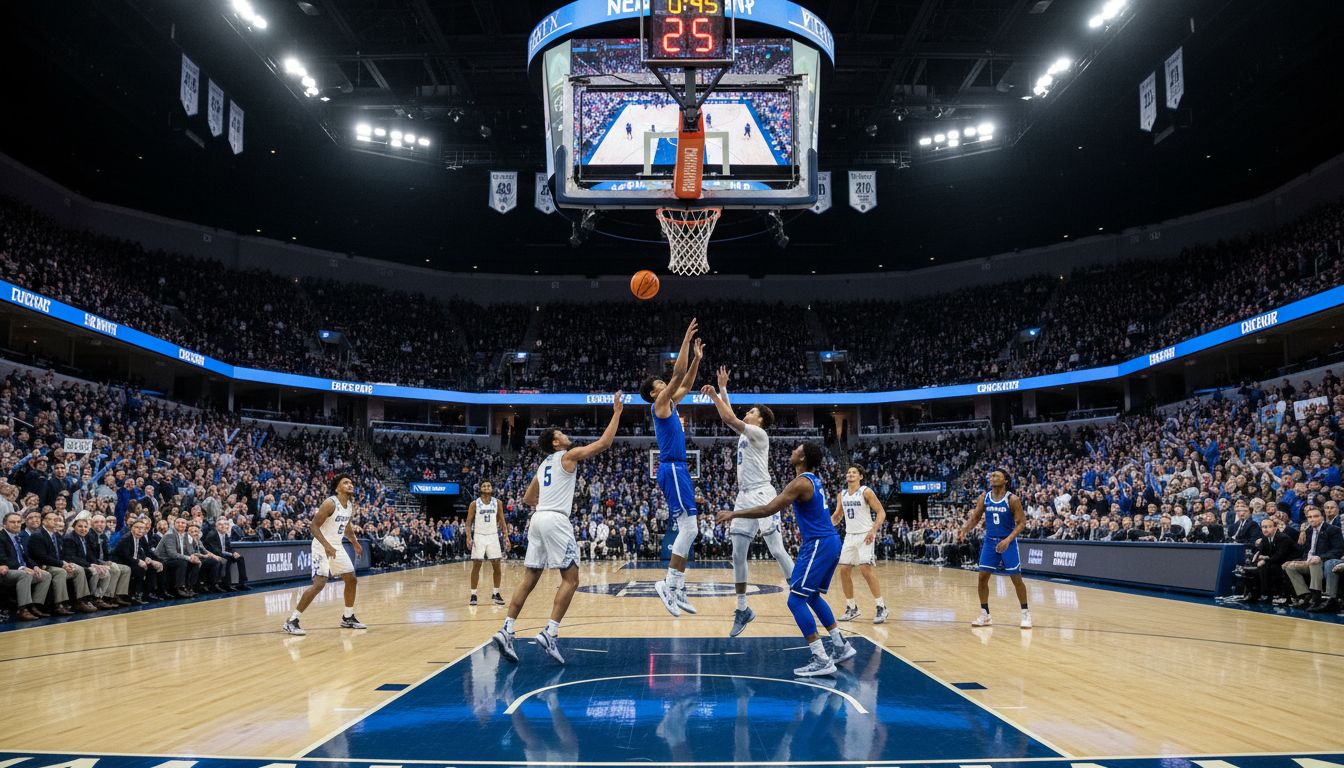
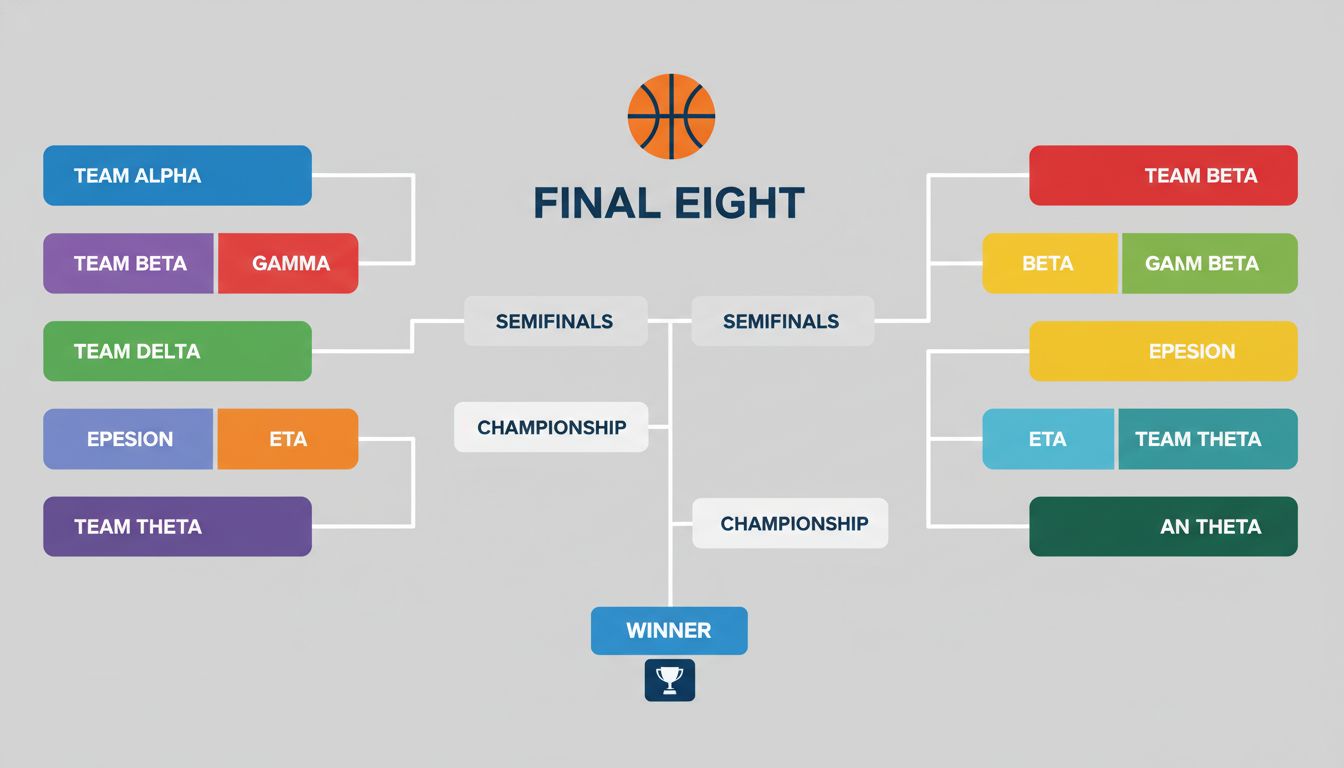
Five months ago, when this season tipped off, most of us could have guessed seven of the eight names left on the men’s March Madness board. Arizona, Michigan, Duke, Illinois, Tennessee, UConn, Purdue – that’s bluebloods and near‑bluebloods all over the place. Then there’s Iowa, the 9‑seed that stumbled into March at 3-7 over its last 10 and somehow found the keys to the Elite Eight for the first time in 39 years. That’s the beauty of this sport: the giants usually show up, but there’s always a gate‑crasher or two tracking 3s like they’re layup lines. From a Kentucky guy’s seat down here in Lexington, this Elite Eight is a reminder of what it takes to still be standing when the brackets are busted and the excuses are gone.
Let’s start with Arizona, because right now the Wildcats are playing the most complete basketball in America. They just handed John Calipari the worst NCAA tournament loss of his career, hanging 109 on Arkansas with 60 paint points and 30 free throws – numbers you usually see in video games, not March. This isn’t a one‑off heater either: they’ve pounded Florida, handled Alabama by 21, throttled Kansas by 23 and beat Iowa State by 16. What makes them so dangerous is that there’s no single head of the snake – Jaden Bradley, Brayden Burries, Koa Peat and company can all take turns cooking you. When you’re top‑five in both adjusted offensive and defensive efficiency, you don’t need a hero; you just need 40 more minutes of being who you’ve already been.
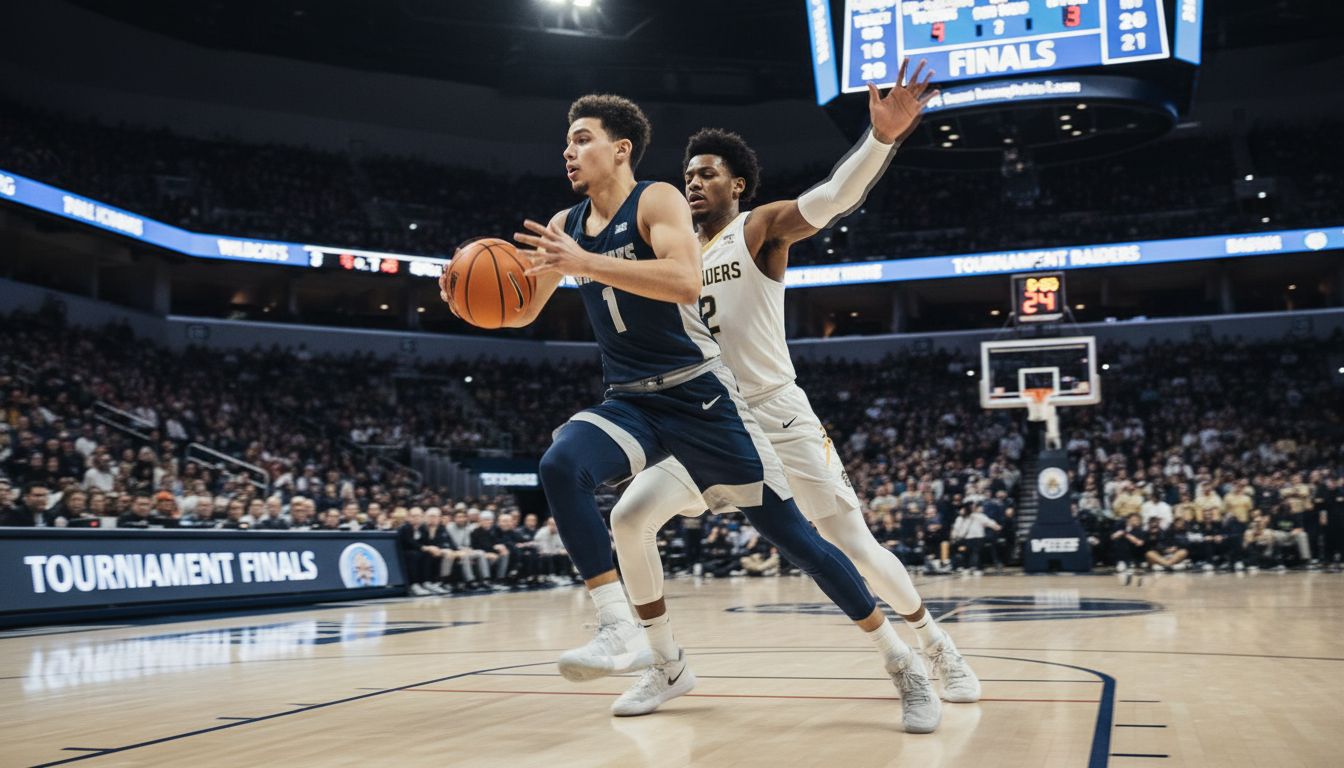
If Arizona is the sledgehammer, Michigan is the brick wall you keep running into until you’re tired of basketball. Dusty May brought his old Florida Atlantic blueprint to Ann Arbor and scaled it up: elite interior defense, size everywhere, and the discipline to make opponents live on jump shots they don’t really want. Three 6‑foot‑9‑plus starters clog the paint, and Alabama – one of the best offensive teams in the country – managed just 31 shots inside in the Sweet 16, jacking 23 threes out of necessity, not choice. It’s not glamorous, but it’s winning: they’ve rolled through Howard, Saint Louis and Bama by double digits and are a step away from their first Final Four since 2018. For all the talk about the “small‑ball era,” Michigan is proof that if you own the lane, you usually own the game.
Illinois might be the most balanced team nobody outside the Big Ten has really wrapped their head around yet. They blitzed Houston with a 17‑0 run in the Sweet 16, then squeezed the life out of the Cougars the rest of the way behind a defense that’s quietly climbed into elite company. Freshmen David Mirkovic and Keaton Wagler both posted double‑doubles, the first freshman teammates to do that in the NCAA tournament since the early 1970s. Since the start of the Big Ten tournament, the Illini have been top‑25 nationally on defense and sit top‑10 in both offensive and defensive efficiency since the NCAAs tipped. History says teams ranked that high on both ends are the ones cutting nets; Illinois is suddenly right on that track, even if the name on the jersey doesn’t scream “blueblood” yet.
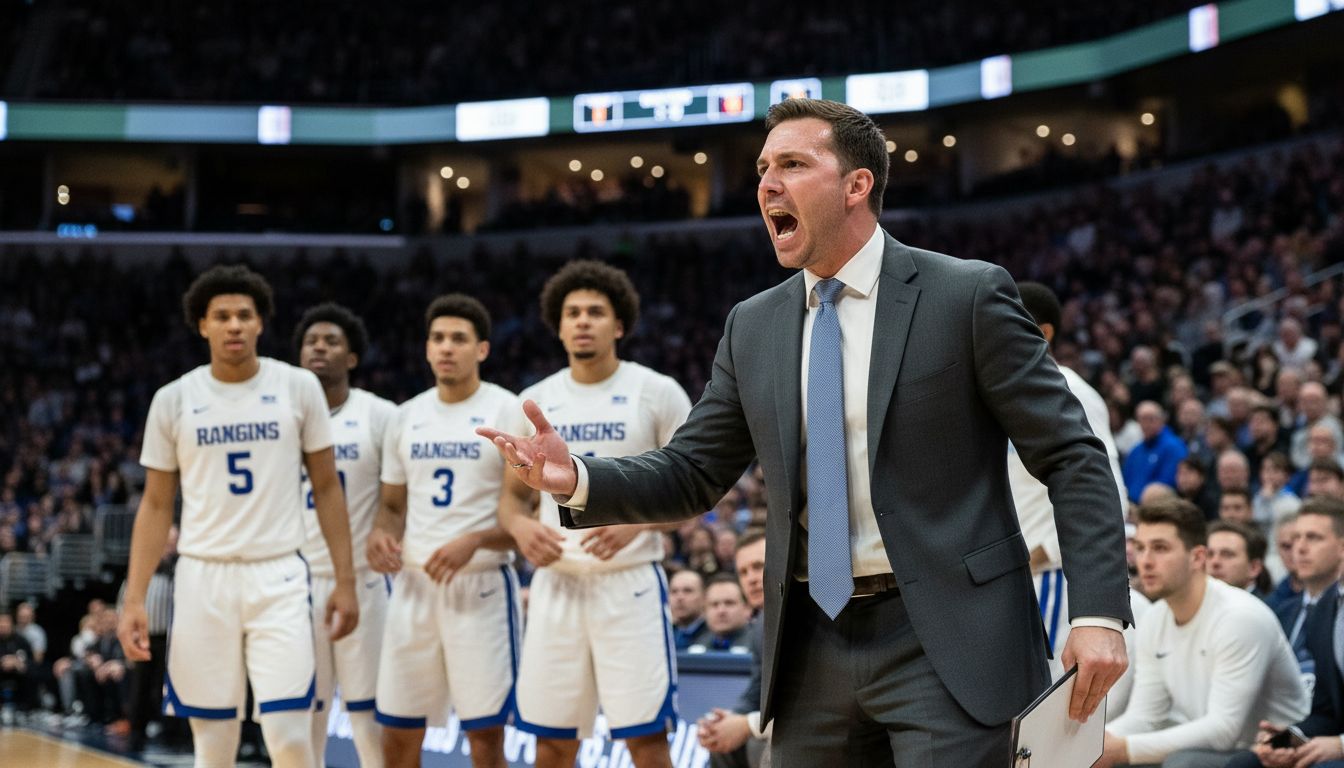
Duke came into March as the No. 1 overall seed, survived an opening scare against Siena and has lived in the high‑stress lane ever since, but that’s exactly where their star feels most at home. Cameron Boozer has looked like the best player in college basketball more nights than not – the kind of steady, unshakable presence who makes his teammates believe there’s always time to win the game. Against St. John’s in the Sweet 16, he delivered another 22‑point, 10‑rebound, three‑assist performance while Caleb Foster played through a recently broken foot and Isaiah Evans poured in 25. Maliq Brown’s rim protection, Boozer’s poise and a roster full of guys who don’t blink in close games have carried them past TCU and St. John’s and into a monster showdown with UConn. You don’t have to love Duke – and around the SEC, most folks don’t – to respect a group that never panics when the season’s on the line.
On the other side of that matchup sits UConn, chasing a place in the kind of history even John Wooden didn’t have to navigate. Dan Hurley is two wins away from a third national title in four years, and he’s doing it with a third very different roster – Alex Karaban is the lone holdover from the back‑to‑back title teams. This version of the Huskies still looks familiar in style: free‑flowing offense when they’re right, rugged defense, and a pace that grinds opponents down over 40 minutes. They haven’t been statistically sharp on offense over the last month, but they controlled UCLA and outlasted Michigan State by jumping ahead early and then defending like crazy when the shots stopped falling. If they solve Duke, we’re talking about a modern mini‑dynasty in an era of the portal, NIL and constant roster churn – not exactly the easiest soil to grow a powerhouse in.
Purdue, meanwhile, is trying to turn years of heartbreak into a breakthrough. Matt Painter has lived through almost every March script you can imagine: injuries to stars, overtime heartbreaks, and running smack into a UConn buzzsaw in last year’s title game with Zach Edey. This team doesn’t have Edey, but it does have momentum: a seven‑game winning streak with Braden Smith averaging 9.5 assists and Trey Kaufman‑Renn scoring nearly 18 points per night. They’re second nationally in adjusted offensive efficiency during this run, knocking down 60% inside the arc and 38% from deep, punishing every defensive mistake. Arizona will test whether this is just another hot Purdue team or the one that finally pushes Painter over the hump he’s been climbing for more than a decade.
Tennessee rolls into the Elite Eight like a program that decided it was done apologizing for who it is. When Texas parted ways with Rick Barnes in 2015, the message was that the game had passed him by; in Knoxville, he doubled down on old‑school principles – shot selection, defense at every position, and a bruising presence on the glass – then married it to modern playmaking. He’s found scorers like Dalton Knecht and Chaz Lanier in the portal, leaned on projected lottery pick Nate Ament, and plugged in Maryland transfer Ja’Kobi Gillespie as a steady force. The result is the nation’s top offensive rebounding team and a third straight Elite Eight appearance, including wins over Miami (Ohio), Virginia and Iowa State this March. It’s not pretty, but it travels, and it looks a lot like the kind of physical, defensive hoops SEC fans grew up on long before spacing charts and analytics dashboards took over the conversation.
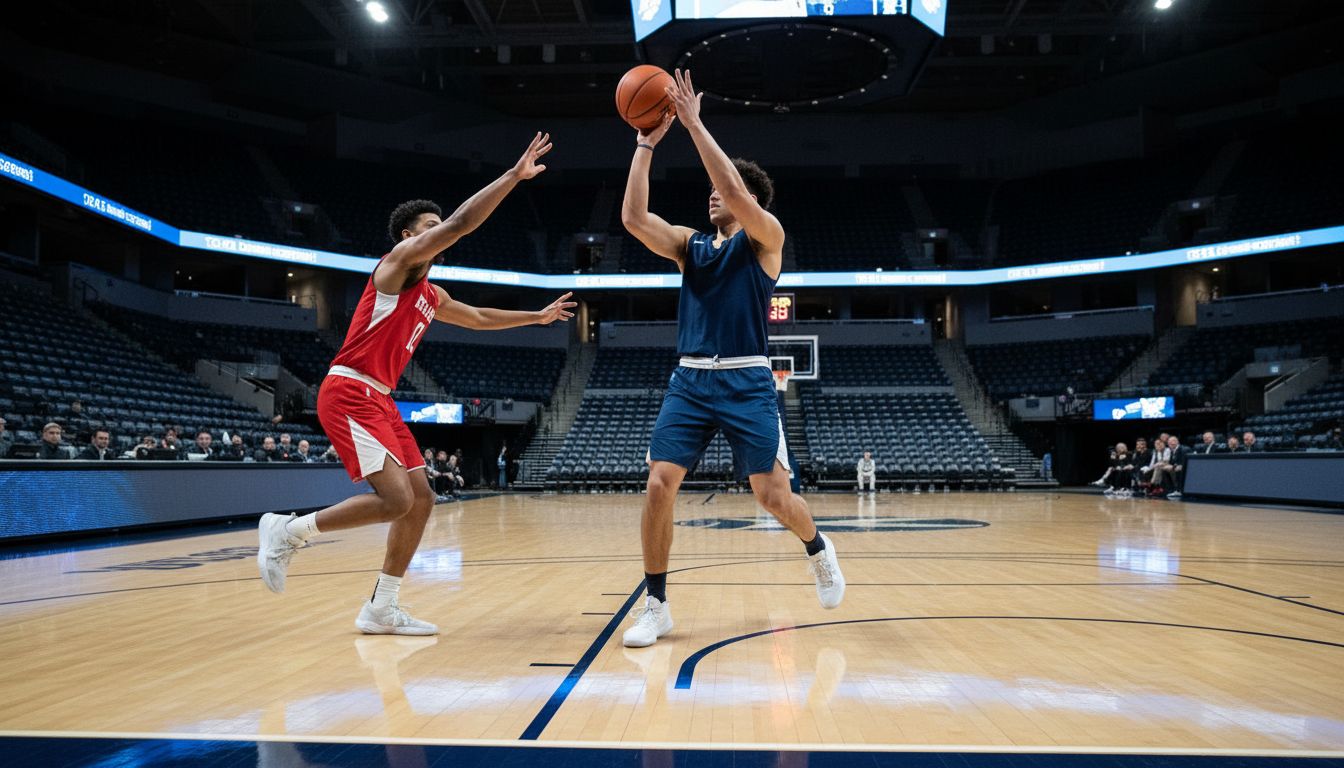
Then we’ve got Iowa, the outlier and the underdog with a green light that could power half the Midwest. The Hawkeyes are back in the Elite Eight for the first time since 1987, when the 3‑point line was still an experiment and they let it fly at a then‑wild rate, hitting 39% for the year. Fast forward nearly four decades, and Ben McCollum’s group has fully rediscovered that identity; they’ve already taken 818 threes, and since March 11 about half of their shots have come from beyond the arc. They’re hitting 37.4% on that volume and went 13‑for‑30 in the Sweet 16 against Nebraska, using the long ball to stay connected until their defense and toughness finished the job after halftime. Every March needs one team that makes you nervous every time they cross half court, and this year, that’s Iowa – living and sometimes thriving by the same line that first carried them this far.
Looking across this Elite Eight from a Kentucky perch, there’s a lesson for every fan base that hangs banners and expects more: there’s no single way to win anymore, but there are some non‑negotiables. You can play big like Michigan, fast like UConn, balanced like Illinois or three‑happy like Iowa, but you’d better defend, rebound and know exactly who you are when the pressure turns up. The teams still standing aren’t perfect, but they’re connected, tough and built to handle adversity – traits that outlast hot shooting nights and shiny recruiting rankings. For those of us in Big Blue Nation, watching someone else hand Calipari his worst tournament loss stings, but it also underlines the standard we still claim: eight national titles don’t come from talk, they come from toughness and togetherness. If this Elite Eight has a sermon in it, it’s this: talent gets you invited to March, but identity is what gets you to Indianapolis.