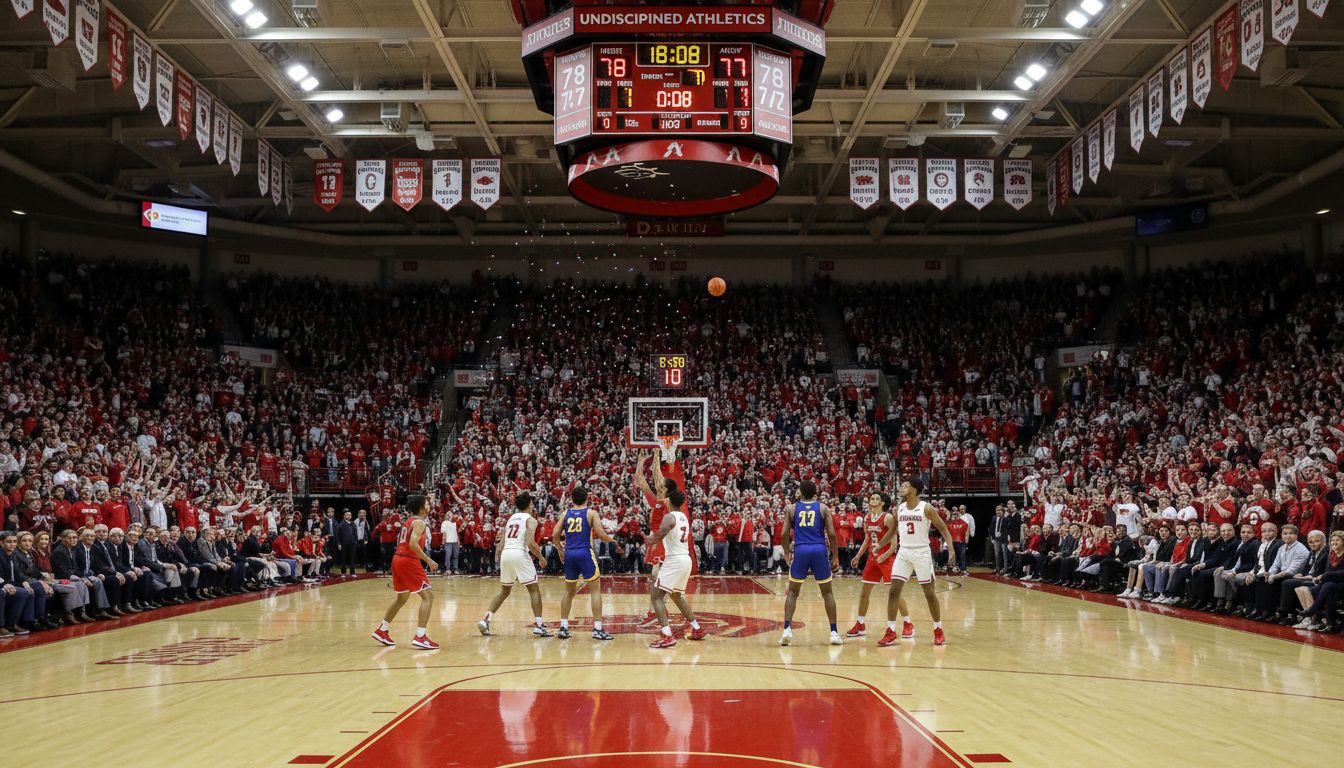
Walk into Assembly Hall on a gray February afternoon, look up at the banners, and you’re reminded that perfection in college basketball is not a theory but a memory: 1975–76, Indiana, 32–0. In nearly half a century since, the sport has grown louder, faster, more commercial, and far less forgiving to anyone dreaming of an undefeated season.
That’s why this particular February feels almost old‑fashioned, in the best way, with Arizona, Miami University of Ohio, and Nebraska all still unblemished deep into the calendar. One is a desert giant bludgeoning high‑majors, another a mid‑major dancing on a knife’s edge in the MAC, and the third a historic Big Ten program finding rare success, but together they’ve given this season the rarest of subplots.
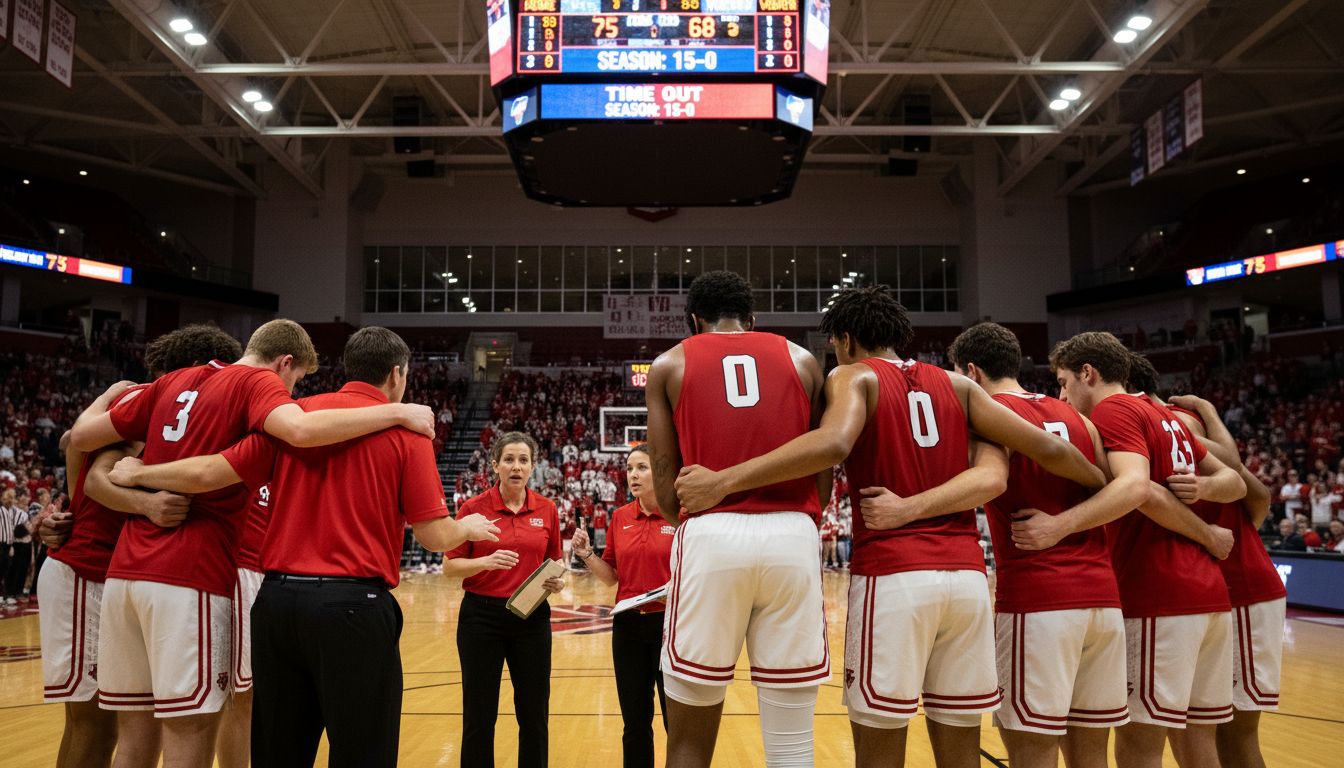
Start with Arizona, a program that has worn the 'national power' label for decades but is now flirting with something more imposing: inevitability. From the moment the Wildcats opened the season by taking down defending champion Florida 93–87, they’ve played like a team convinced it can walk into any building and leave with a win. Recently, they defeated UCF 84-77, continuing their perfect run.
Then there is Miami, 1,545 miles and about three layers of national spotlight away from Tucson, reminding everyone that mid‑majors still have a place in this sport’s imagination. While Arizona is running opponents off the floor, Miami seems intent on raising its fans’ blood pressure one possession at a time. In a thrilling recent game, Miami barely escaped at home vs. Buffalo, needing overtime to win 105-102, with Peter Suder scoring a career-high 37 points.
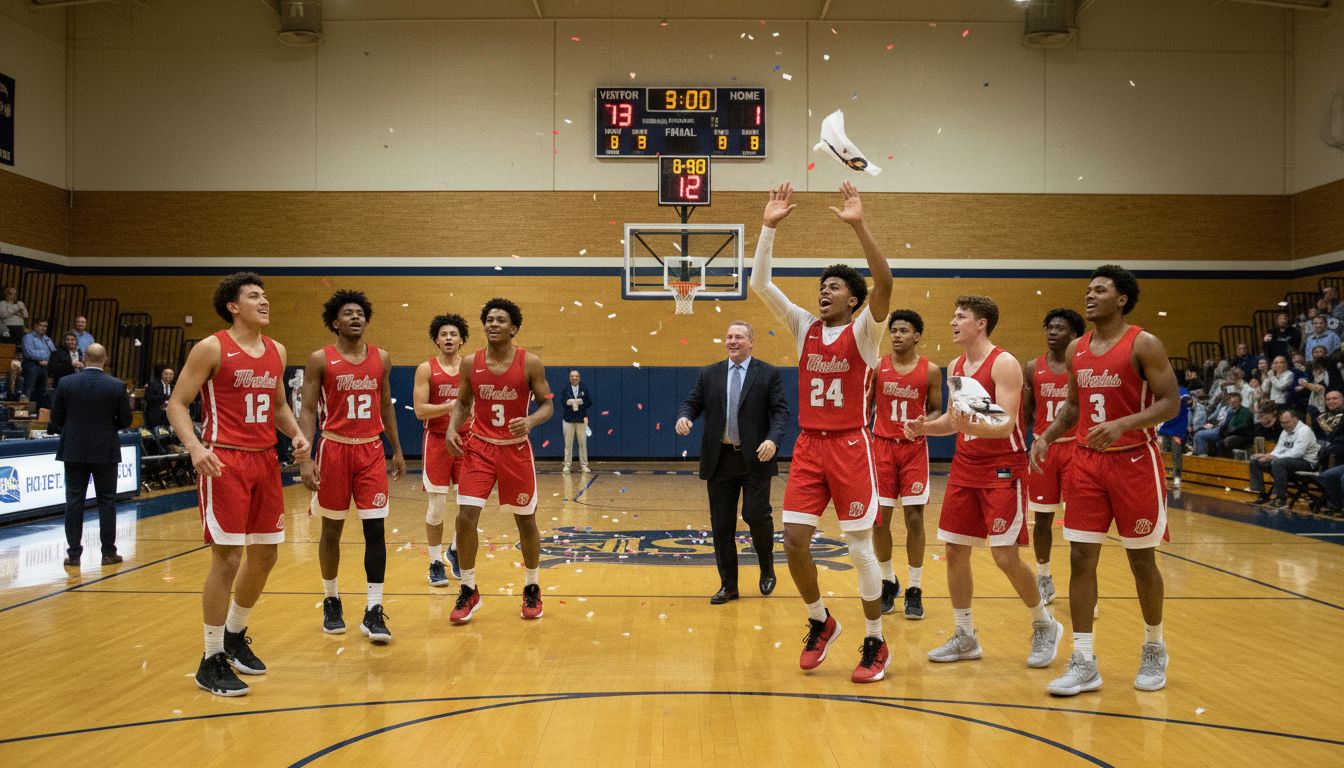
Nebraska, meanwhile, has climbed to No. 7 in the AP poll, higher than the Cornhuskers have ever soared. They’ve never won 22 games in a row before, and their 22-game streak is the longest for any Big Ten team in 15 years. Their latest victory was a 77-58 win over Northwestern.
Historically, having even one team reach February without a loss is a gift; having three boundary‑tests the word 'ordinary.' Since the early 1990s, there have been only a handful of seasons where multiple teams carried perfect records into this month, and most of those runs ended with a thud rather than a coronation.

That Hoosier benchmark hovers over every discussion of perfection, even when the current protagonists come from other regions and other leagues. Arizona, for all its prowess, still has a gantlet ahead—Oklahoma State at home, then a trip to Kansas that will test its poise as much as its playbook. Predictions suggest their first loss could come against BYU on January 26.
For all the metrics and historical comparisons, the real value of seasons like this lies in how they change the way we watch. Suddenly a mid‑February game in Oxford or a late‑night tip in Tucson becomes appointment viewing, the kind of contest you plan dinner around instead of stumbling upon while channel‑surfing.
There’s also a quiet lesson tucked inside these unbeaten runs about style and substance. Arizona has thrived despite not leaning into the 3‑point barrage that defines so much of modern basketball, relying instead on size, physicality, and efficient two‑point offense.
As we inch closer to March, the most sensible prediction is also the dullest: all three teams will probably pick up a loss or two, settle into seed lines that reflect their full body of work, and become storylines rather than centerpieces in a crowded bracket. Predictions suggest Nebraska might face its first loss against Michigan on January 27, and Miami could fall to Buffalo on February 3. But that shouldn’t diminish what this month has already offered.