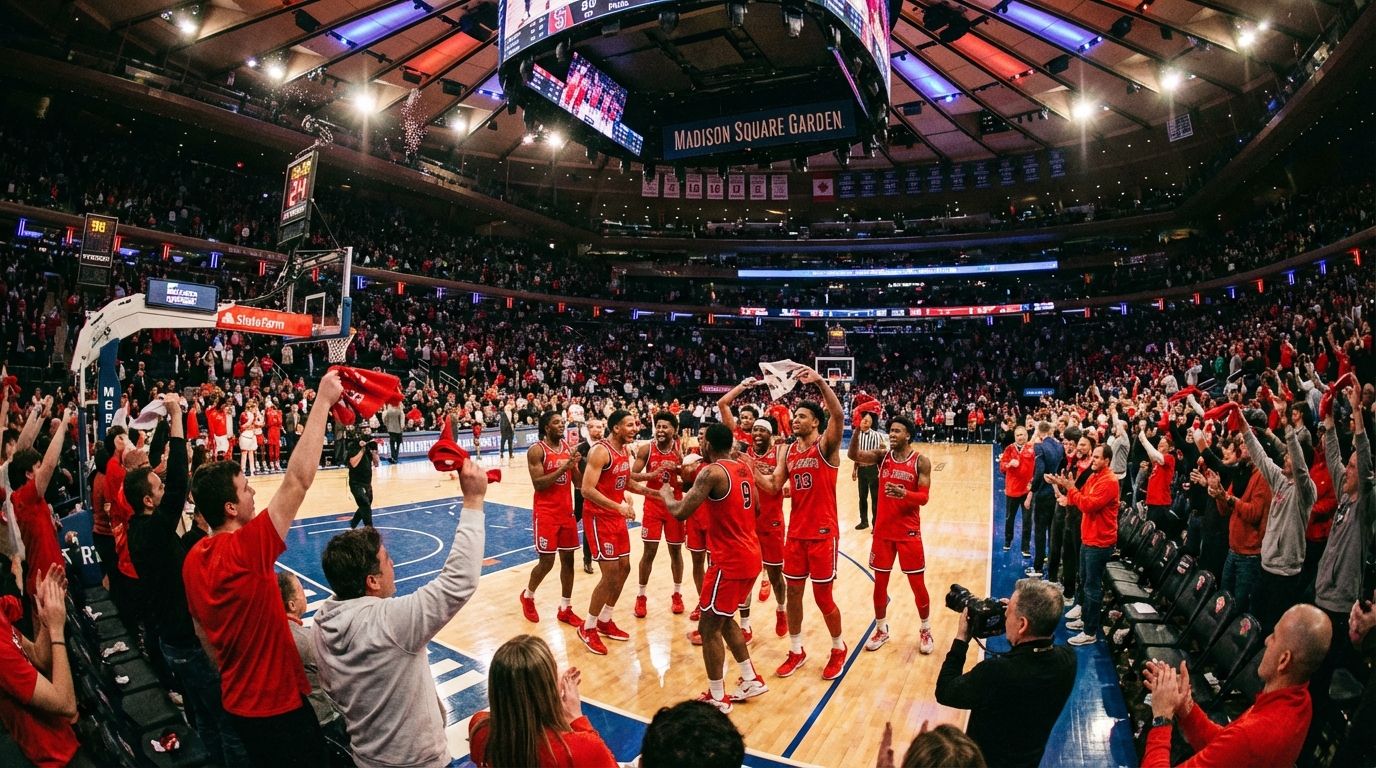
Walk out of Madison Square Garden after a St. John’s game right now and you can feel it in the air: the Big East has some juice again. A month ago, that same building felt like a wake for Red Storm basketball after a flat loss to Providence left Rick Pitino swapping his usual suit for sweats and hard questions. St. John’s was 9-5, already matching last year’s loss total, and the preseason top‑five hype looked like so much Manhattan fog over the Hudson. Pitino talked about his team’s back being against the wall, and for once it didn’t sound like classic coach hyperbole. From Hartford, I’ll admit, a lot of UConn folks were shrugging and saying, "Same old Johnnies."
Then something very un‑Big‑East‑Twitter happened: instead of imploding, St. John’s quietly went to work. Since that Providence loss, the Red Storm have ripped off 10 straight wins, climbed back into the AP Top 25 at No. 17, and, yes, walked into a game against then‑No. 3 UConn and snapped the Huskies’ 18‑game winning streak. If you’re a Husky like me, that stings; if you’re a Big East lifer, you also know this is exactly what makes the league great. The story here isn’t a Cinderella fluke but a roster finally figuring out what it wants to be just in time for March. And that, as much as the box‑score numbers, is what has brought St. John’s back into the national title conversation.
The turning point was Pitino’s decision to rework his frontcourt and fully unleash Dillon Mitchell alongside Zuby Ejiofor. Mitchell arrived in Queens with more stamps in his portal passport than most of us have in our actual ones: Texas, then Cincinnati, now St. John’s. The talent was never the question; it was whether he’d find a role that let him play free while still fitting the team’s structure. Since moving into the starting lineup, he’s averaging roughly 11 points, 9 boards, and 3 assists, grabbing everything in sight on the glass and grading out as one of the Big East’s best defenders by advanced metrics. In other words, he’s become the kind of multi‑tool forward every modern college coach is chasing, and exactly the kind of piece you need if you’re serious about deep March runs and NBA auditions.
What makes this Red Storm group intriguing is how the frontcourt doesn’t just protect the rim; it defines the entire offensive identity. Bryce Hopkins, the former All‑Big‑East forward who lost last season to a torn ACL, has slowly worked his way back into form, attacking from the perimeter and bullying smaller defenders on straight‑line drives. During this win streak he’s hovering around 14 points and 6 boards a night, giving St. John’s another option who can punish mismatches and live on the offensive glass. Ejiofor, the preseason conference Player of the Year, is still the hub: leading the team in scoring, rebounding, assists, and blocks, and doing all the unglamorous physical work that makes life easier for the guards. When those three share the floor, you can see why UConn’s Alex Karaban called them one of the best frontcourts in the country and why Dan Hurley, never shy with a sound bite, flat‑out called them "grown‑ass men."

From a numbers standpoint, the change is stark. Since that early‑January low point, St. John’s sits top‑20 nationally in offensive efficiency, pairing a suddenly potent attack with the kind of disruptive defense that has long been Pitino’s signature. They’re no longer just hoping someone gets hot from three; they’re manufacturing quality shots by owning the paint, forcing help, and trusting that their size and effort will tilt the math. Defensively, the rankings tell the same story: a top‑20 unit clogging driving lanes, finishing possessions with rebounds, and finally looking like the connected group Pitino kept insisting he saw in practice. In a league where a lot of teams have underachieved relative to their preseason buzz, that kind of late‑season clarity stands out.
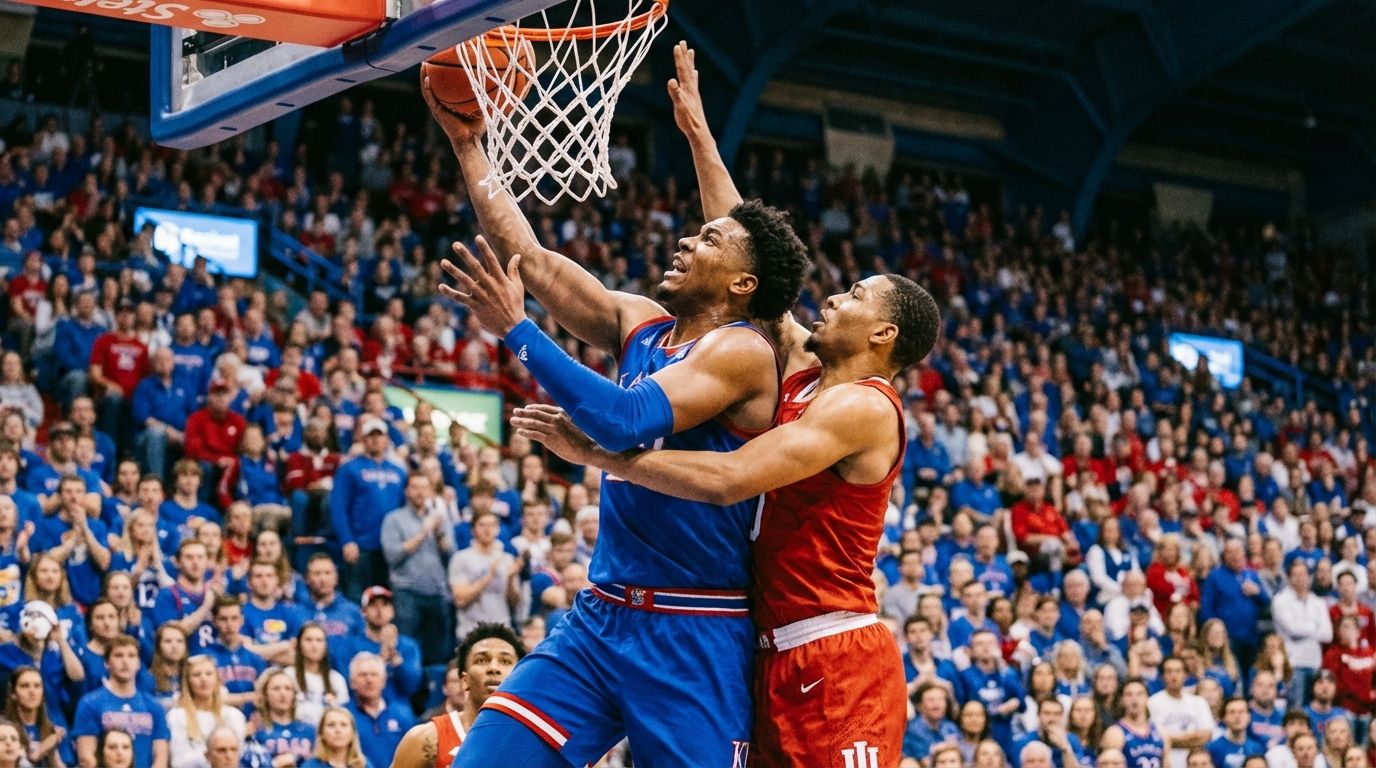
Of course, none of this means St. John’s is suddenly the team to beat in a bracket that still has UConn, Purdue, and a half‑dozen other heavyweights lurking. The guard play can still wobble, the perimeter shooting is streaky, and in March, one bad matchup against a veteran backcourt can erase a month’s worth of good vibes in two hours. But what’s changed is that the Red Storm now have something they can bank on every night: a physical identity and a locker room that, by Pitino’s own word, might be the easiest he’s coached in five decades. He calls this the best group of character guys he’s had, players who root for each other whether they’re out there for ten seconds or thirty minutes, and you can see it in the way they huddle, celebrate, and accept roles. For all the NIL noise and portal chaos we like to complain about, this is an example of a transfer‑heavy team actually building a culture instead of just collecting résumés.
From a Northeast progressive who grew up on Big East wars, I’ll admit there’s something oddly hopeful about that. You don’t have to mythologize the past to appreciate what’s happening here: a historic city program, led by a Hall of Famer with plenty of history himself, finding a way to blend ego and opportunity into something cohesive. In an era when players are understandably chasing better situations, seeing a group of transfers buy into defense, rebounding, and sharing the ball feels like a small win for the idea that development still matters. It also raises the bar for everyone else in the neighborhood, UConn very much included, because the standard of a true basketball conference is that your rival’s success should make you a little uncomfortable. On nights like the one St. John’s just had against the Huskies, you could almost hear the old Big East ghosts nodding along from the Garden rafters.
So where does this go from here? If Mitchell keeps flying around like a human pogo stick, Hopkins continues to trust his knee and his jumper, and Ejiofor stays healthy and out of foul trouble, St. John’s has the kind of front line that no high seed wants to see on its side of the bracket. The guards don’t have to be spectacular; they just have to value the ball, hit open shots, and feed the beasts inside. Do that, and suddenly the Red Storm aren’t a cute storyline about Pitino’s latest reinvention; they’re a legitimate second‑weekend threat with upside beyond that. And for those of us in Husky blue, that’s not bad news so much as a reminder: if you want to build a dynasty, you don’t just beat up on a brand name — you push through a conference where the other programs are finally acting like they remember who they are, too.
