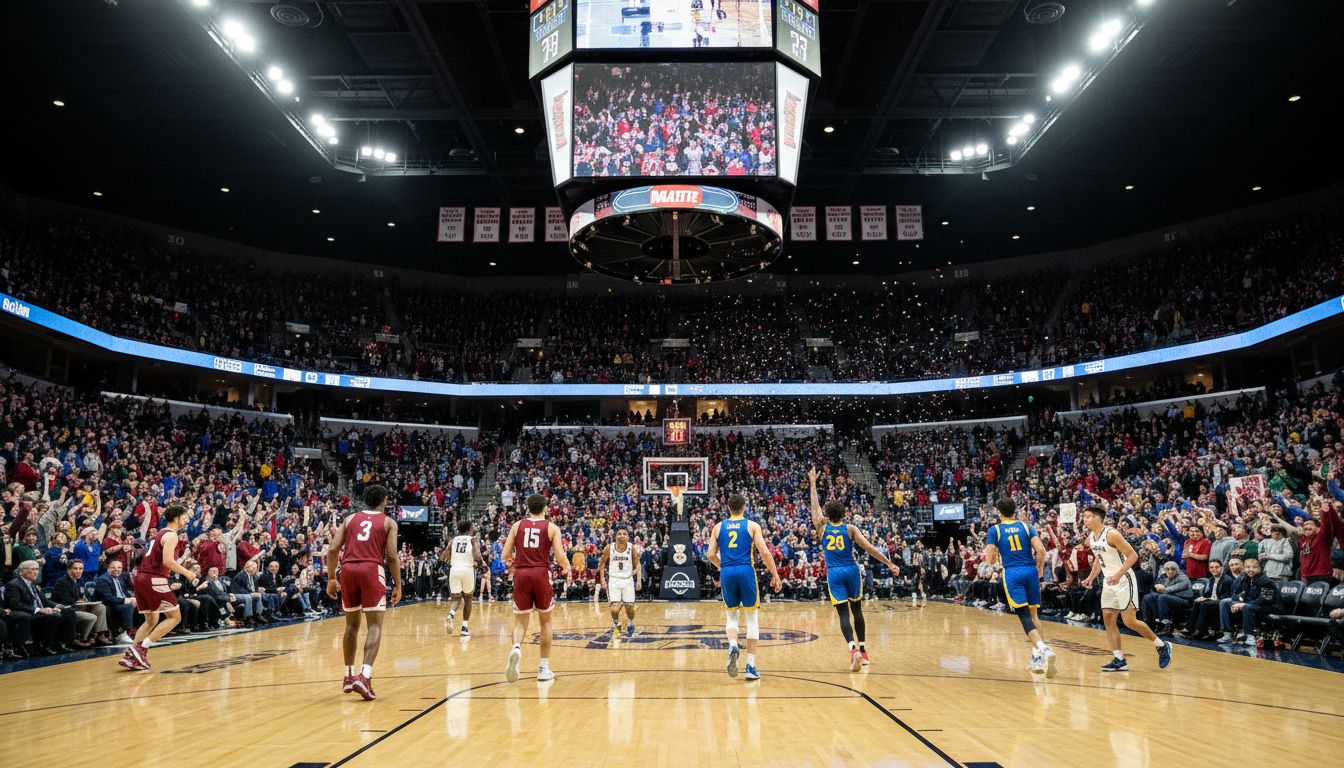
Every March, I think about my dad hunched over the kitchen table in our tiny Chicago apartment, circling teams on a paper bracket like he was annotating scripture. He didn’t know a ball-screen from a backdoor cut, but he believed in stories — the giant programs built on size and swagger, and the little schools that slipped through the cracks and then set the month on fire. This season, as conference tournaments tip off and the 2026 NCAA Tournament looms, the stories are already loud: towering defenses, fearless freshmen and a handful of mid-majors who swear they didn’t get the memo about staying humble. Strip away the hype, and a pattern emerges: teams that defend, share the ball, and stay together through injury and pressure tend to be the ones still dancing when the confetti falls. Everyone calls it madness; most years, it feels closer to a referendum on how you build a team — and how much you’re willing to trust young players with the ball and the moment.
Start with Michigan, 27-2 and somehow even more imposing on film than on the stat sheet. Dusty May has fashioned a defensive machine that looks like it was built in a lab: strong, fast guards at the point of attack and enormous, mobile bigs who turn the paint into a no-fly zone. At 6-foot-9, Yaxel Lendeborg can pick up point guards 94 feet from the basket, erasing space and comfort in the same possession. Michigan’s second-half defense has been the best in the country, a slow squeeze that wears opponents out until jumpers hit front rim and drives die on contact. If the Wolverines cut down the nets, it will be because they never stopped treating each possession like a small act of honesty — no shortcuts, no gambling, just five people guarding like their names are all on the same line of the box score.
Duke and Arizona mirror Michigan in one key way: size married to commitment on the defensive end. Jon Scheyer’s Blue Devils, powered by National Player of the Year frontrunner Cameron Boozer, have grown from "good" to "nasty" on that side of the ball, using their length to suffocate passing lanes and bother shooters. Arizona, with 7-foot-2 Motiejus Krivas anchoring the paint and freshman tank Ivan Kharchenkov bullying wings, lives by a simple creed: big people move little people. Florida rounds out the quartet of elite defenses, mauling teams on the glass and in the paint with Tommy Haugh, Alex Condon and Rueben Chinyelu, then running off turnovers like someone yelled "free layups" in transition. In a sport often sold as a story of shot-makers, this season is a quiet reminder that size, discipline and togetherness on defense are still the most reliable narrators in March.
But the most fascinating thread in this year’s field might be the freshmen, a generation of teenagers rewriting the usual timeline for trust. There are 33 Division I freshmen averaging at least 15 points, on pace to be a record, and 10 ranked teams are led in scoring by first-years. Duke’s Boozer is putting up 22.7 points, 10.1 rebounds and four assists, flirting with a Larry Bird-level 20-10-4 line as an underclassman. Illinois’ Keaton Wagler has shoved his way into the Big Ten Player of the Year race, while BYU’s AJ Dybantsa is on track to become just the third freshman ever to lead the country in scoring. We are used to seeing precocious kids; what’s new is how many coaches are relinquishing control and saying, in effect, "Here, you drive," when the season is on the line.
That handover of responsibility isn’t just a tactical choice; it’s a cultural one. For years, coaches talked about "paying dues" and "waiting your turn," language that often masked a discomfort with giving real power to younger voices. Now, with freshmen like Arkansas’ Darius Acuff and Arizona’s Brayden Burries running point on high-level teams, the sport looks a little more like the rest of our lives: multigenerational, collaborative, and occasionally chaotic. A freshman has never won Big Ten Player of the Year, yet Wagler is tracking alongside names like Magic Johnson and Jalen Rose statistically, forcing the conference to ask whether production or tradition should win the day. I think about the athletes I’ve interviewed over the years who said the same thing in different ways: "We’re ready earlier than people think; we just need someone to believe us."
Belief is also what keeps coaches on the sideline or nudges them toward the exit as March unfolds. At places like Ohio State, Indiana, Cincinnati, UCLA and Auburn, every possession feels like it carries a line of fine print about someone’s job security. Jake Diebler at Ohio State and Darian DeVries at Indiana are coaching with the urgency of men who know that missing the tournament can close doors for years, not months. UCLA’s Mick Cronin, having gone big-game hunting in the transfer portal, is walking a tightrope with a roster that hasn’t yet found a defensive anchor at the rim. Auburn’s Steven Pearl, inheriting both a family legacy and a mercurial roster, is discovering how thin the margin can be when expectations are built on a recent Final Four run and the losses start to pile up.
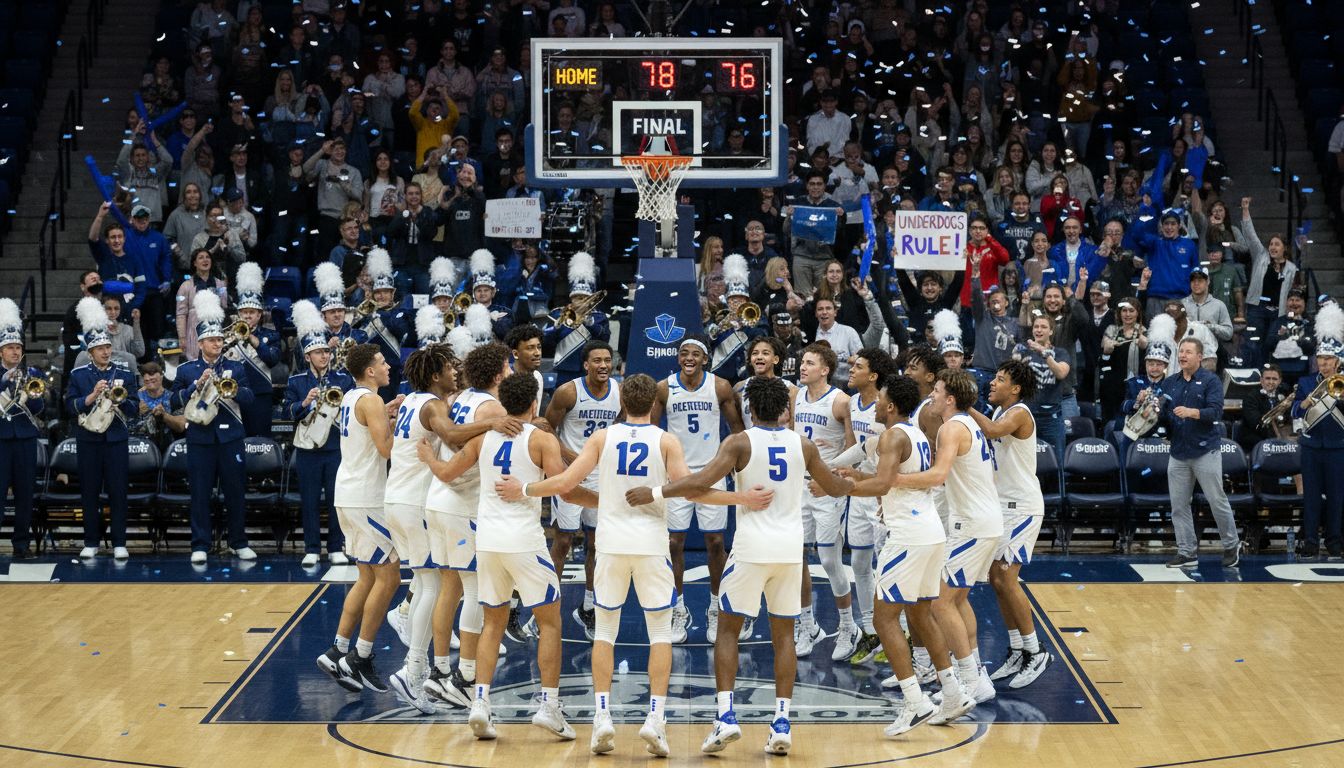
Beyond the power conferences, the beauty of March is how it collides different basketball dialects into one giant conversation. Belmont, 26-4 and top-shelf in the Missouri Valley, runs a gorgeous, efficient offense built on size, spacing and shot-blocking — a mid-major in name, not in ambition nor roster construction. South Florida speeds teams up in the AAC, letting Wes Enis and Joseph Pinion bomb away from deep while Izaiyah Nelson does the dirty work as a warrior in the paint. Miami (Ohio) is flirting with perfection at 29-0, slicing defenses apart with cutting, ball movement and a barrage of shooting, even as its rim protection remains an open question. Utah State, Saint Mary’s, Santa Clara, Akron and VCU all bring their own twists — from massive front lines to nine-man rotations to switchable forwards — a reminder that there are dozens of ways to build something tough, joyful and competitive.
Injuries, of course, lurk like plot twists nobody asked for. Texas Tech is navigating life without All-American big man JT Toppin and has essentially made a pact with the three-point line: hit double-digit threes or go home. BYU’s offense has dipped significantly without Richie Saunders, whose offensive rebounding and off-movement shooting gave the Cougars a second and third life on many possessions. Michigan loses backup point guard LJ Cason and suddenly the spotlight sharpens on Elliot Cadeau and, again, on Lendeborg as a decision-maker and stabilizer. Gonzaga, Tennessee and North Carolina are all trying to recalibrate with key pieces hurt or healing, knowing that in March, the difference between "we almost had it" and "we advanced" is often a single compromised limb.
If you’re trying to sort out who you absolutely do not want your favorite team to see in its bracket, there’s a long list at every seed line. Michigan as a No. 1 is a problem because its overwhelming size and second-half defense make comebacks feel like wishful thinking. Florida on the 2-line brings transition electricity and a stonewall rim defense; Nebraska as a 3 is a no-middle riddle that can warp your offense for 40 minutes. Even down the line, from Alabama’s explosive guard play to Arkansas’ mercurial but terrifyingly talented perimeter group, from Wisconsin’s floor-spacing bigs to St. John’s full-court pressure, you can feel coaches quietly rooting for someone else to draw those names. By the time you get to double-digit seeds like Auburn, Texas or a supersized Belmont, the line between "favorite" and "underdog" starts to blur, which is precisely when March gets interesting.
So how do we make sense of all this heading into the best three weeks on the sports calendar? I tend to look beyond the seed lines and into the habits: who defends every possession, who trusts their freshmen when the game turns, who can withstand the emotional whiplash of injuries and hot seats and still find joy in the game. The teams that last are almost always the ones that remember they’re more than a resume — they’re a collection of kids and coaches trying, in public, to figure out how good they can be together. This month will crown a champion, yes, but it will also surface new voices, new freshmen folk heroes, and new programs from places like Tampa or Akron or a quiet campus in the Missouri Valley that seize their 40 minutes on the national stage. Somewhere right now a player who hasn’t yet been on your radar is getting up extra shots, imagining that moment; March has a way of listening to that kind of belief.