Antonio Blakeney was supposed to be one of those names we argued about on TV for a decade, not one we read about in an FBI press release. If you followed high school hoops back in the mid-2010s, you remember the buzz: five-star guard, top-four at his position, dropping buckets on guys like Jalen Brunson and Jaylen Brown in the McDonald’s All-American Game. He had the look of a modern scorer — smooth, confident, and fearless — the kind of kid you figured would be launching threes on national TV every April. Instead, at 29, he’s facing federal charges tied to an alleged point-shaving scheme that investigators say cut into the heart of college basketball’s integrity. You don’t have to be a lawyer to feel how jarring that is; as a fan, it feels like watching a can’t-miss lottery ticket blow away in the wind.
Blakeney’s basketball story started like a lot of star kids’ journeys do: big-time rankings, big-time expectations, and a big-time decision about where to play college ball. He originally committed to Louisville, then de-committed before his senior year, a move that quietly opened the door for Donovan Mitchell to get more run there and eventually blossom into an NBA star. Blakeney wound up at LSU with Ben Simmons, forming a flashy freshman duo that gave the Tigers their loudest preseason buzz since the Shaq days. LSU came into the 2015–16 season ranked No. 21 in the AP poll, with fans dreaming big and the program finally feeling like it was back on the national map. Blakeney did his part, averaging 12.6 points as a freshman and earning SEC all-freshman honors, then following it up with a second-team all-SEC nod as a sophomore before turning pro.
On paper, the next step should’ve been simple: get drafted, carve out a role, and see where the league takes you. But timing and fit can be as cruel as any defender, and Blakeney ran into both. The modern NBA doesn’t have a ton of patience for undersized scorers who don’t defend well and don’t really run a team, and that’s the box he got shoved into. Despite his talent and scoring chops, teams questioned whether he could be more than a tunnel-vision gunner in a league obsessed with efficiency and versatility. He went undrafted, landed with the Chicago Bulls on a two-way deal, and did what a lot of guys with something to prove do: he lit up the G League.
For the Windy City Bulls in 2017–18, Blakeney averaged a ridiculous 32 points per game, winning G League Rookie of the Year and stuffing the stat sheet with rebounds, assists, and steals. Chicago praised his work ethic and development, with then-GM Gar Forman calling his season “outstanding,” and for a moment, it looked like he might force his way into a more permanent role. He played 76 NBA games across two seasons, with flashes of that scoring ability that made scouts fall in love years earlier, including a 21-point outing against the Golden State Warriors where he outscored Kevin Durant. But the numbers under the hood told a different story: a low true shooting percentage, minimal passing for a guard, and shot selection that didn’t fit what the Bulls wanted to build. By 2019, Chicago moved on, buying out his contract and effectively closing the door on his NBA chapter just as it was starting to get interesting.
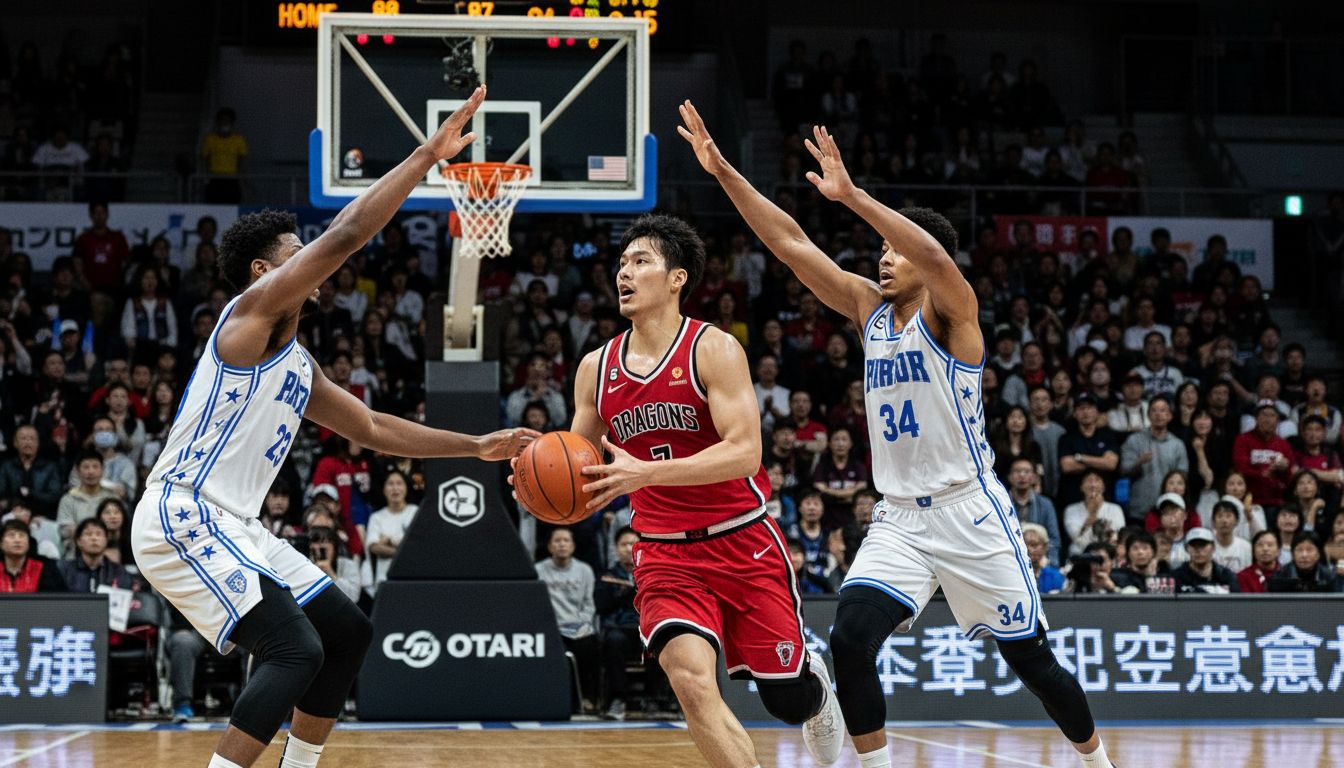
From there, Blakeney followed a path that’s become pretty familiar: head overseas, chase minutes, and keep the dream alive wherever the checks clear and the ball is tipped. He played in China with the Jiangsu Dragons, bounced back to the G League briefly, then returned overseas as the pandemic reshaped everything from travel to team budgets. For a lot of guys, overseas hoops is honest work — long flights, different languages, and packed gyms where you’re expected to be the star every night. In Blakeney’s case, though, federal authorities now say that his time in China with Jiangsu was where something darker began. According to the FBI, he was recruited by Marvel Fairley and Shane Hennen into a point-shaving scheme and allegedly agreed, then started recruiting teammates to help influence games.
Investigators say that’s where the story shifts from a tough basketball journey to a criminal case, with allegations that would make any fan’s stomach turn. Authorities claim the scheme eventually grew into a network that reached into college basketball, involving more than 39 players on at least 17 Division I teams and touching over 29 games. They allege that Blakeney moved from participant to recruiter, targeting low- and mid-major college players whose bribe money would either supplement or even beat their NIL deals. In one detail that jumps off the page, officials say nearly $200,000 in cash tied to the scheme was left in a Florida storage unit belonging to Blakeney. If those accusations hold up, we’re not just talking about bad decisions; we’re talking about a full-on assault on the trust fans place in the idea that the scoreboard is honest.

Meanwhile, Blakeney kept playing, which adds another layer of whiplash to this whole thing. He returned to the Chinese Basketball Association for the 2023–24 season and then landed with Hapoel Tel Aviv in Israel, where he averaged 13.7 points this year for a team sitting 12–1 and tied for first in the league. As recently as January 11, he was on the floor, logging 18 minutes, scoring five points, and doing what he’s done since high school: trying to get buckets. So you’ve got this strange split-screen image: on one side, a veteran pro grinding through another overseas season; on the other, federal prosecutors painting him as a key figure in a game-fixing operation. However this ends legally, that tension between the player he was and the allegations he faces is going to hang over his name.
For fans, stories like this hit a nerve because they mess with the basic deal we think we have with sports: you win or lose straight up, and the rest of us get to argue about it over wings and cheap beer. Point-shaving isn’t just a rulebook violation; it’s a breach of trust, especially when it allegedly preys on college kids at smaller programs who don’t have the security or spotlight of the big-name schools. Now, that doesn’t excuse anything — adults make choices, and if the evidence proves these guys did what they’re accused of, there have to be consequences. But you can see how the system sets up the pressure: players chasing money, programs chasing exposure, and a whole lot of people in the shadows looking to cash in on both. Somewhere in there is a reminder that while we put players on posters, a lot of them are still just trying to keep the lights on and figure out what’s next when the ball stops bouncing.
Looking back, Blakeney’s career feels like a rough mix of talent, timing, and temptation, stirred together until it finally boiled over. In another era, maybe his scoring-first style lands him a longer NBA run and this whole thing plays out differently, with him remembered as a streaky bench gunner instead of a defendant. Instead, his name is now tied up with words like “indictment” and “conspiracy,” and that’s a long way from five-star rankings and SEC accolades. It’s a cautionary tale for young players and a wake-up call for anyone who thinks the darker corners of the sports business are just movie plots and old stories from the ’50s. The games still matter, the fans still care, and the scoreboard still needs to mean something, or the whole thing starts to feel like a rigged carnival game instead of the escape so many of us grew up loving.