Nexus of Truth

Using 2026 NCAA Tournament projections as a lens, the article compares the strength and depth of major conferences, especially the Big Ten, SEC, Big 12 and…

Big Picture Bracket Talk: Why the SEC Belongs at the Grown‑Ups Table

Using 2026 NCAA Tournament projections as a lens, the article compares the strength and depth of major conferences, especially the Big Ten, SEC, Big 12 and ACC. With the Big Ten and SEC each projected for 10 bids, the piece explores what that balance says about the sport’s evolution, the rise of SEC basketball, and the growing importance of depth, coaching investment and program identity. It also breaks down the bubble picture, emphasizing how tight margins and late‑season performance shape Selection Sunday, all while maintaining a neutral tone that’s informed by, but not dominated by, an SEC‑country perspective.

UAB Blazers30%

Bias Analysis

The article aims to be neutral in evaluating conferences, but it is subtly shaped by an SEC‑country vantage point that celebrates the league’s growth without claiming it is definitively superior.

Regional framing:The narrative frames developments in college basketball partly through the eyes of fans in SEC country, highlighting SEC improvement and identity more than that of other leagues.(Score: 4)
Conference emphasis:While mentioning all major conferences, the piece devotes extra color and context to the SEC, which may give it more narrative weight than strict neutrality would.(Score: 3)
Big Picture Bracket Talk: Why the SEC Belongs at the Grown‑Ups Table

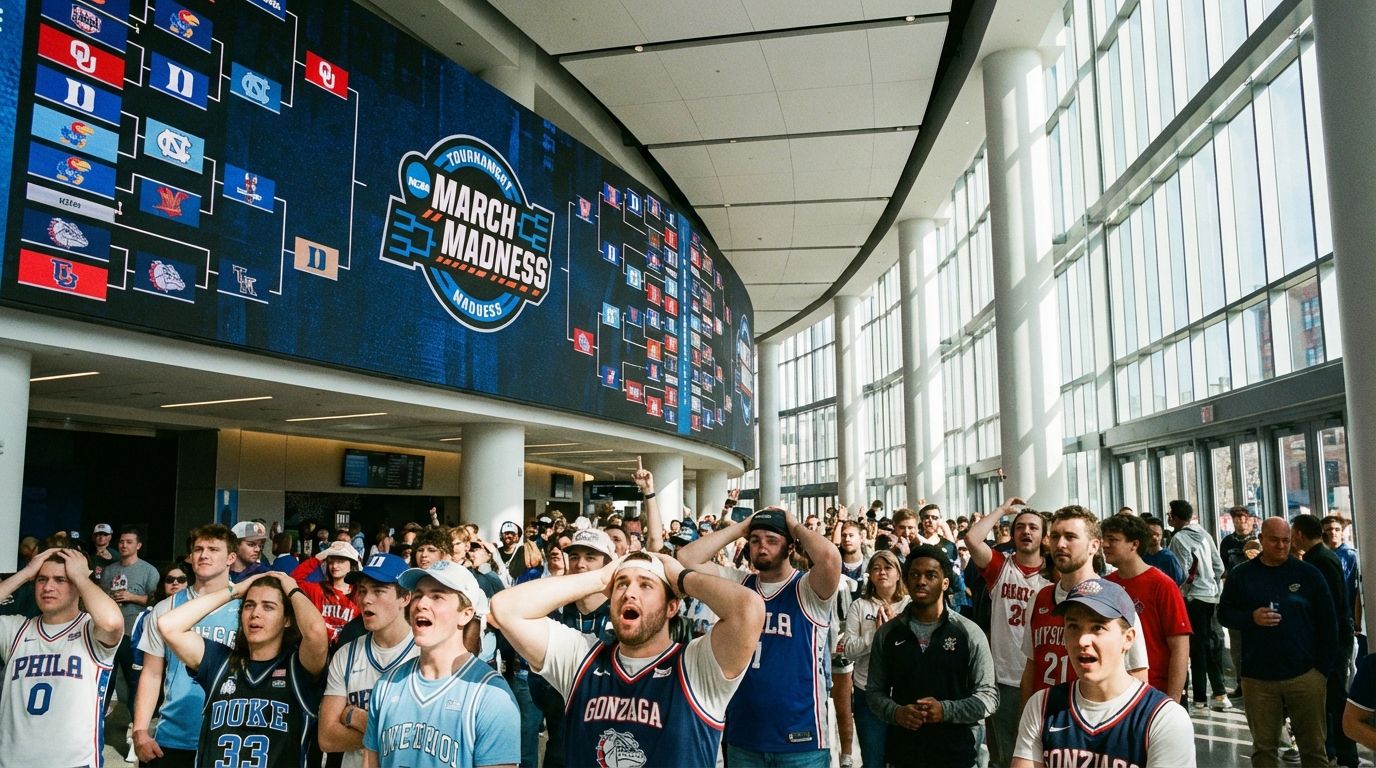
Which league really runs college hoops these days? If you just glance at the latest 2026 NCAA Tournament projections, the answer looks like a two‑horse race: the Big Ten and the SEC, shoulder to shoulder with 10 projected bids apiece. That’s not preseason hype or message‑board wishcasting; that’s what bracket forecaster Mike DeCourcy’s latest numbers are telling us. On paper, the Big Ten is flexing with top‑13 star power, while the SEC is coming at you in waves with balanced depth and a whole bunch of teams already stacking wins by mid‑February. And as Selection Sunday creeps up on the calendar, the bigger question becomes less “Who’s in?” and more “What does this snapshot really tell us about where the sport is headed?”

Start with the raw math: DeCourcy has the Big Ten and SEC tied at 10 bids each, the ACC sitting right behind with nine, and the Big 12 slotted with seven teams in the field. That’s not some wild outlier; it fits what we’ve been seeing over the last few seasons, where the old idea that one or two leagues dominate has given way to a crowded top tier. The Big Ten’s case rests on elite rankings, with five teams living in the top 13 of the AP poll, screaming, “We’re national title material.” The SEC, by contrast, is the definition of depth, already boasting nine teams with at least 16 wins as of Feb. 10, the sort of foundation the committee loves when it starts combing through résumés. Stack that up with the Big 12’s cluster of six legit Final Four contenders and the ACC’s traditional blue bloods rounding into form, and you’ve got yourself a landscape where no one league can claim the crown without a real argument.

From a neutral lens, that’s healthy for the sport. When four different power conferences can point to their own version of dominance — top‑end contenders, middle‑class strength, or sheer volume of bids — March becomes less about a single league’s coronation and more about styles clashing. The Big 12 is rolling out four top‑10 bruisers in Kansas, Arizona, Iowa State and Houston, each with its own identity and fan base that travels. The ACC still leans on brand names like Duke and North Carolina, plus a Virginia team that’s caught fire and won nine of its last 10, reminding everyone that slow‑tempo, grind‑you‑down defense never really goes out of style. Meanwhile, the SEC’s balance means that on any given night, your so‑called middle‑of‑the‑pack team can jump up and look like a second‑weekend squad, which is exactly the kind of chaos that fuels March.
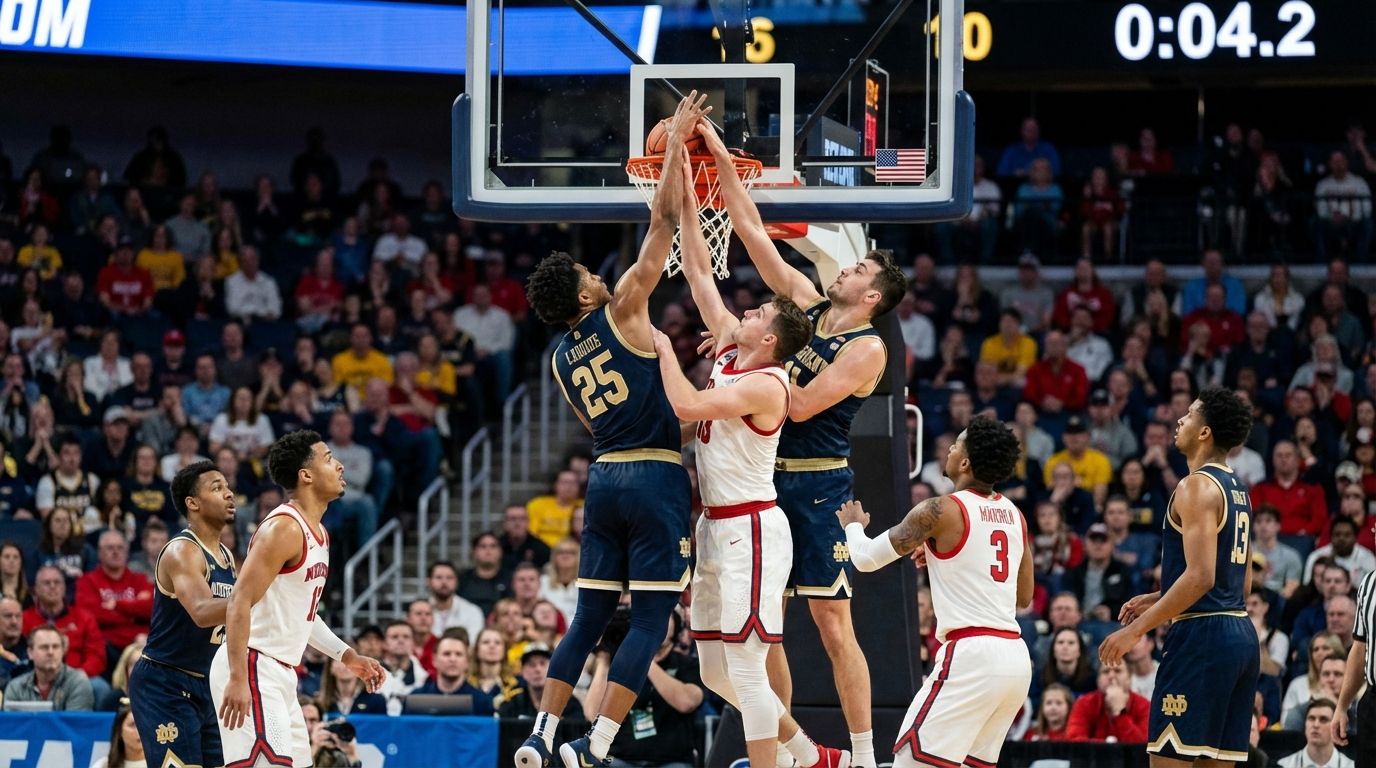
Now, if you’re reading this from an Alabama porch or an Auburn tailgate chair, you already know how far the SEC has come in hoops. There was a time when the league’s basketball identity was basically “Kentucky and some friends,” and the rest of us just waited for spring football. These projections are another piece of proof that those days are gone. Ten projected bids, nine teams already sitting on 16‑plus wins — that’s not just quantity, that’s sustained competence across the map. From an SEC‑country perspective, it feels like the conference has finally decided that basketball isn’t just a winter filler between bowl games and spring practice; it’s a full‑time, all‑gas pursuit.

Big Picture Bracket Talk: Why the SEC Belongs at the Grown‑Ups Table

Of course, projections are just that — projections. Selection Sunday is more than a month away, and a lot can happen: late‑season slumps, injuries, surprise conference tournament runs that steal bids from bubble teams hanging on by a thread. Right now, DeCourcy’s bubble line features Texas, Santa Clara, San Diego State and Virginia Tech as the last four in, with Oklahoma State, Ohio State, Cal and Missouri slotted as the first four out. That mix tells you two things: one, the margin for error is razor thin, and two, name recognition won’t rescue you if your profile doesn’t hold up under the committee’s microscopes. If you’re living on that line, every February road game in a half‑empty gym suddenly feels like life or death, and one ugly loss can undo a month’s worth of good work.

For fans trying to read the tea leaves, it helps to think less in terms of brand loyalty and more in terms of résumés and trends. The Big Ten can argue it has the most top‑shelf teams right now, but recent tournaments have shown that regular‑season dominance doesn’t guarantee deep March runs. The Big 12’s gauntlet schedule sharpens its contenders, yet the grind can leave teams worn down by the time they hit neutral courts. The ACC is trying to prove it’s more than just its two traditional giants, and this year’s projected nine bids help that case, even if the league’s depth is still under a microscope. The SEC, with its wide base of solid teams, is positioning itself as the league where your average Tuesday night game could feature two future Sweet 16 squads, even if neither is sitting in the top five of the polls. That kind of competitive parity is good for viewers, even if it’s pure stress for fan bases living and dying with every whistle.

One underrated storyline in these projections is how they reflect coaching and program identity across the country. Leagues that invest — in facilities, in staff, in scheduling tough nonconference games — are the ones now staring at multi‑bid futures year after year. You can see it in how many SEC and Big 12 programs have rebranded themselves from “football school that also plays basketball” to “year‑round operation with real expectations.” You can see it in the ACC’s push to keep pace by modernizing offenses while holding onto defensive principles, and in the Big Ten’s constant tug‑of‑war between physical, half‑court styles and more free‑flowing, guard‑driven attacks. The bracket picture is really a mirror: it shows you who’s been serious the last five to 10 years, and who’s just now figuring out that coasting on old reputations doesn’t earn you many bids anymore.

If you strip away the logos and traditions, what these projections really say is that college basketball has become a national arms race in development and consistency. The days when one conference could sleepwalk to March and still claim the high ground are over; now you’ve got to build depth, stack good wins, avoid land‑mine losses and stay healthy just to get a seat at the table. Ten bids for the Big Ten, ten for the SEC, nine for the ACC and seven for the Big 12 tell us that the power is spread wider than ever, even if the same familiar names still hover near the top of the polls. For fans, that means more meaningful games in January and February, more bubble drama, and more chances for fresh faces to crash the party when the bracket finally gets revealed. And as this regular season winds down, these projections serve as both a snapshot and a challenge — a reminder that the story isn’t finished, and that how teams handle the next month will decide whether they’re just numbers on a line or threats when the ball tips in March.

Key Facts

  • Mike DeCourcy’s latest 2026 NCAA Tournament projections have the Big Ten and SEC each with 10 bids.
  • The ACC is projected to receive nine bids and the Big 12 seven.
  • The Big Ten currently has five teams ranked in the top 13 of the AP poll.
  • The SEC has nine teams with at least 16 wins as of Feb. 10.
  • The Big 12 features six teams viewed as legitimate Final Four contenders, including four in the top 10: Kansas, Arizona, Iowa State and Houston.
  • The ACC’s Duke, North Carolina and a surging Virginia headline that league’s case.
  • Current bubble teams listed as last four in are Texas, Santa Clara, San Diego State and Virginia Tech.
  • Current first four out are Oklahoma State, Ohio State, Cal and Missouri.
  • Selection Sunday is just over one month away, meaning projections are still subject to change.
  • Conference strength now reflects long‑term investment in coaching, facilities and scheduling rather than just brand reputation.

Sources (1)

Back to Articles